
A professional appliance inspection is a thorough, hands-on evaluation performed by a trained technician to check the safety, efficiency, and overall condition of your home appliances. For homeowners in Santa Rosa and across Sonoma County, this kind of inspection often catches small problems before they turn into expensive breakdowns. If you suspect cooling issues, see our <a href="https://www.goldridgeappliance.com/refrigerator-repair-service-near-me-in-sonoma-county">refrigerator repair</a> page for common signs and fixes. In fact, according to the U.S. Department of Energy, well-maintained appliances can run noticeably more efficiently than neglected ones, which means an inspection can also lower your utility bills. Because appliances rarely fail without warning signs, a professional appliance inspection gives you a clear picture of what’s working, what’s wearing out, and what needs attention right away. For a deeper walkthrough, see our On-Site Appliance Service in Santa Rosa, Sonoma County.
Quick answer: A professional appliance inspection involves a technician visually checking, testing, and diagnosing your refrigerator, washer, dryer, oven, or dishwasher for safety hazards, worn parts, and performance issues, then delivering a clear report with repair recommendations before any work begins. For a deeper walkthrough, see our Expert Oven Repair in Santa Rosa | Same-Day Service.
What Is a Professional Appliance Inspection?
In short, a professional appliance inspection is a structured examination of an appliance’s mechanical, electrical, and safety systems. A technician looks beyond the surface, checking components that a homeowner typically cannot see or test without specialized tools.
Unlike a quick glance to see if a machine turns on, this process involves testing motors, seals, thermostats, and wiring under real operating conditions. Consequently, hidden issues such as a failing compressor or a cracked heating element are identified long before they cause a total breakdown.
Why Professional Appliance Inspections Matter for Your Home
Above all, appliances are expensive to replace, and most breakdowns happen gradually rather than suddenly. Therefore, catching a worn belt or a loose electrical connection early usually costs far less than an emergency repair or full replacement.
In addition, inspections support household safety. The U.S. Consumer Product Safety Commission notes that faulty appliances are a recurring cause of residential fires, so a routine check of wiring, venting, and gas connections is not just about convenience — it protects your family.
Furthermore, well-maintained appliances tend to run more efficiently. The Energy Star program points out that dirty coils, clogged filters, and worn seals force appliances to work harder, which drives up energy costs over time.
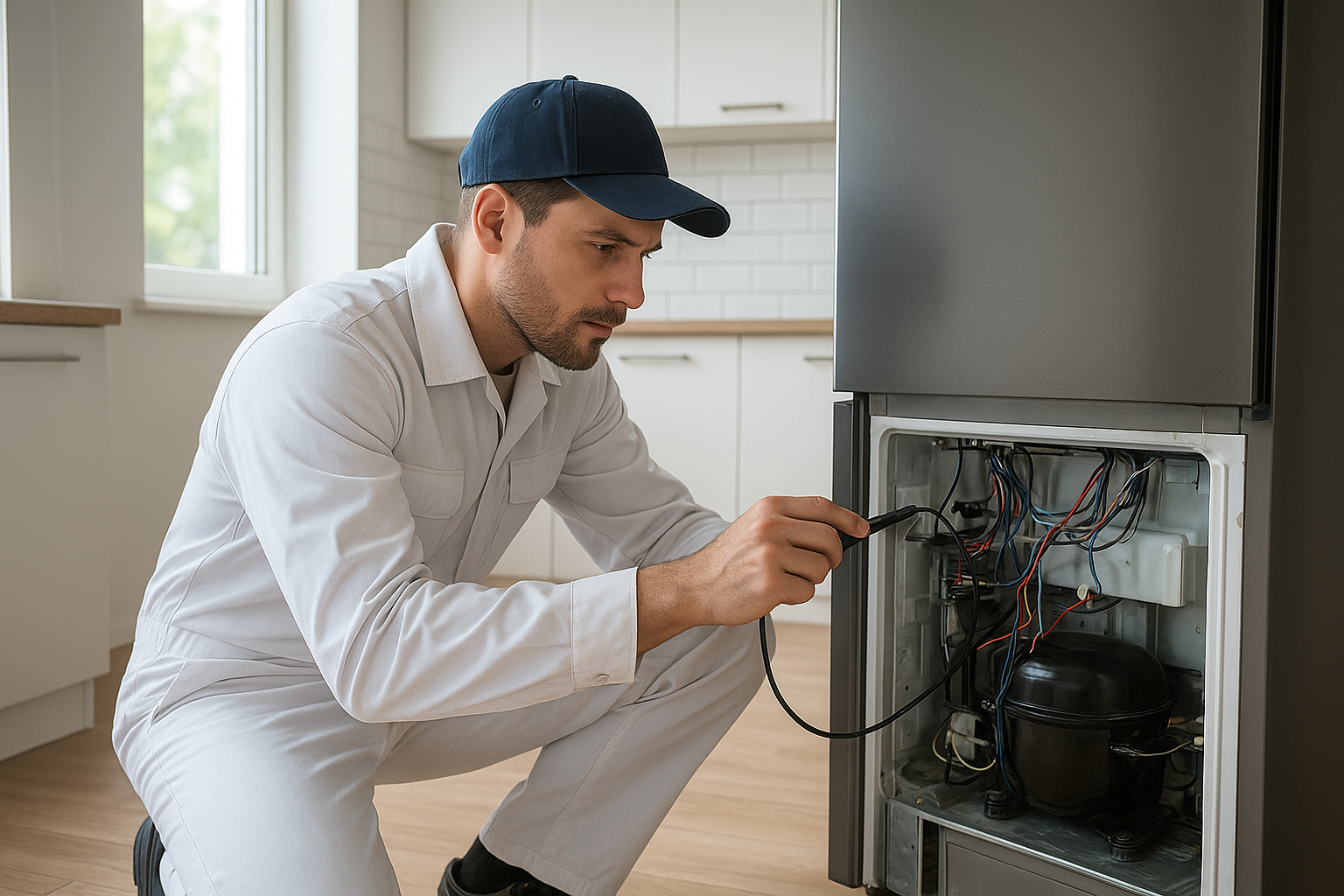
A professional appliance inspection checks internal components that are easy to overlook during a routine cleaning.
What Happens During an Appliance Health Check
Every technician follows a slightly different routine, but most professional appliance inspections move through the same core stages. Here is what you can typically expect, step by step.
- Initial consultation and symptom review. The technician asks about noises, error codes, leaks, or performance changes you’ve noticed before touching the appliance.
- Visual and safety inspection. Power cords, gas lines, vents, and housing are checked for visible damage, corrosion, or hazards that could pose a fire or shock risk.
- Component-level diagnostic testing. Using multimeters and other diagnostic tools, the technician measures motors, compressors, heating elements, and control boards for faults.
- Performance and efficiency check. The appliance runs through a normal cycle while temperature, water pressure, spin speed, or heat output are monitored against factory specifications.
- Detailed report and recommendations. Findings are explained in plain language, along with an upfront price estimate for any repairs before work begins.
As you can see, this process is methodical rather than guesswork. That’s precisely why a documented appliance health check tends to catch issues that a casual look would miss.
Signs You Need an Expert Appliance Evaluation
Certain symptoms almost always indicate it’s time to schedule an inspection. For example, unusual grinding or clicking noises, inconsistent temperatures, water pooling near a machine, or a sudden spike in your utility bill are all red flags.
Similarly, a burning smell, frequent tripped breakers, or an appliance that takes noticeably longer to complete a cycle should never be ignored. In these cases, waiting usually makes the eventual repair more expensive. For a deeper walkthrough, see our Online Booking Appliance Repair: Book Fast in Santa Rosa.
Inspection Checklist by Appliance Type
Because every appliance has different vulnerable parts, a thorough professional appliance inspection is tailored to the specific machine. For local service details, see our appliance repair in Santa Rosa. Below is a general overview of what technicians typically examine.
Refrigerators and Freezers
Technicians check door seals, condenser coils, defrost timers, and internal temperatures. If your unit has been running warm or cycling constantly, it’s worth exploring the full range of appliances we repair to see how refrigeration issues are typically diagnosed.
Washers and Dryers
Inspections here focus on belts, drums, hoses, and vent lines, since lint buildup and worn hoses are common fire and leak risks. Homeowners dealing with laundry issues can learn more through our laundry appliance repair services.
Ovens, Ranges, and Dishwashers
Heating elements, igniters, door gaskets, and spray arms are tested for consistent performance. For a closer look at how kitchen units are evaluated, our kitchen appliance repair page outlines common problems we find during inspections.
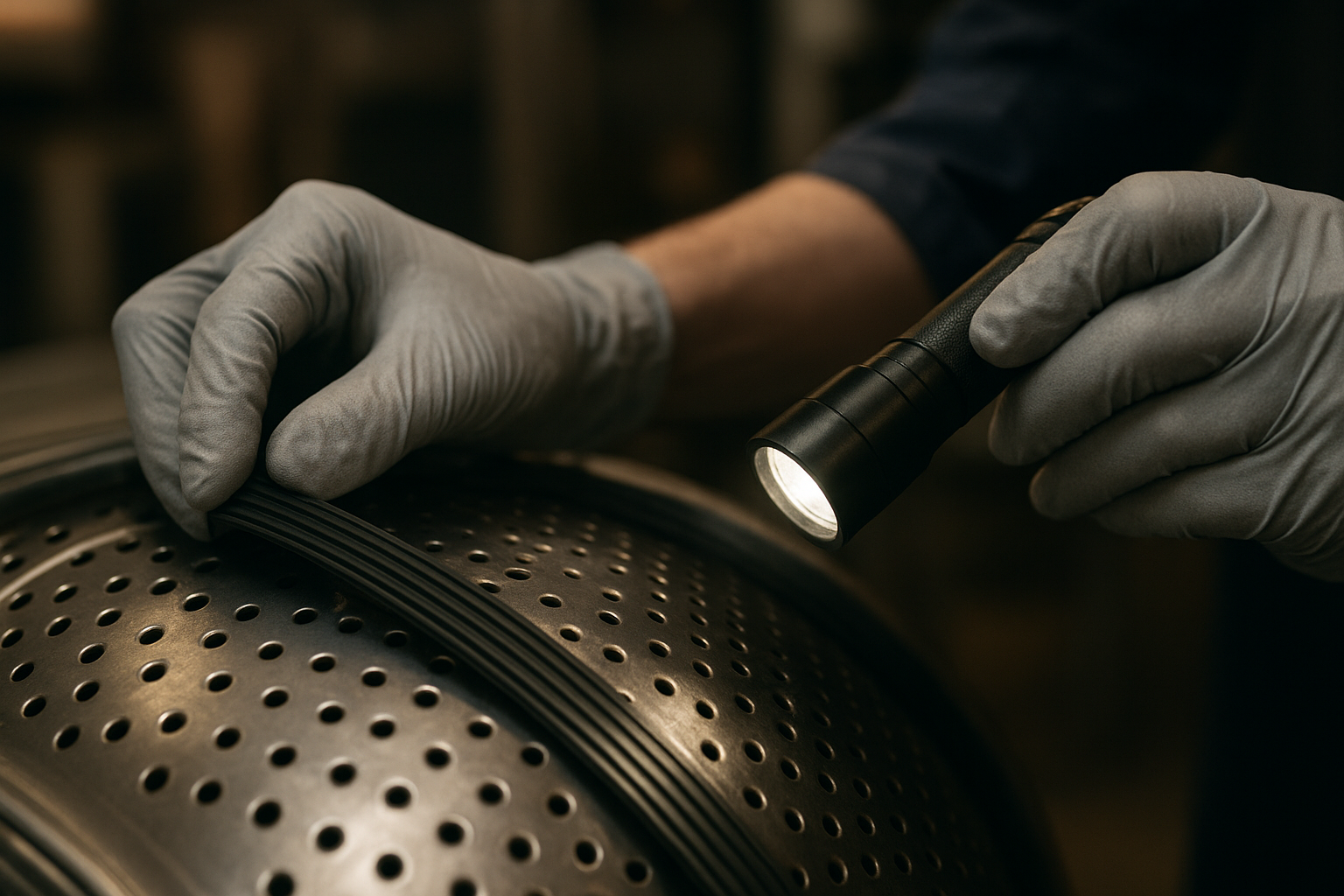
Checking belts and hoses is a routine part of any thorough appliance inspection checklist.
How Much Does a Professional Appliance Inspection Cost?
Generally speaking, inspection fees range from about 75 to 150 dollars per appliance, though this varies by region and complexity. Many local companies, including those serving Sonoma County, apply this fee toward the final repair cost if you decide to move forward the same visit. For a deeper walkthrough, see our Personalized Appliance Service in Sonoma County Homes.
Meanwhile, bundling several appliances into one visit, such as inspecting a full kitchen suite, often reduces the per-unit cost. As a result, scheduling a whole-home check can be more economical than inspecting appliances one at a time throughout the year.
DIY Checks vs. Professional Appliance Inspections
Certainly, homeowners can perform basic maintenance themselves, such as cleaning lint traps or wiping down door seals. However, these tasks only address what’s visible on the surface.
By contrast, a professional appliance inspection uses tools like multimeters, thermal sensors, and manufacturer-specific diagnostic codes to reveal problems hidden inside the machine. For that reason, an annual professional check paired with routine home maintenance offers the best protection against unexpected failures. As noted in this overview of preventive maintenance, catching wear early is consistently more cost-effective than reactive repairs.
Choosing a Reliable Appliance Inspection Service in Sonoma County
When selecting a provider, look for technicians who explain findings clearly, offer transparent pricing, and provide a written report. Above all, honesty about what actually needs repair — versus what can wait — separates a trustworthy service from one that’s simply upselling. For a deeper walkthrough, see our Refrigerator Repair Service Near Me in Sonoma County.
Gold Ridge Appliance serves homeowners throughout Santa Rosa and the greater Sonoma County area with straightforward online booking and fair, upfront pricing before any work begins. You can review the areas we serve to confirm coverage in your neighborhood, or visit Gold Ridge Appliance directly to schedule a visit.
Frequently Asked Questions
What is a professional appliance inspection?
A professional appliance inspection is a detailed check performed by a trained technician who examines an appliance’s mechanical parts, electrical connections, and performance. It identifies existing problems and warns of issues likely to occur soon.
How long does a professional appliance inspection take?
Most single-appliance inspections take between 30 and 60 minutes. Multiple appliances, such as a full kitchen suite, typically take two to three hours. For a deeper walkthrough, see our Dedicated Appliance Repair Jobs: Why They Matter Most.
How much does an appliance inspection cost?
Inspection costs generally range from 75 to 150 dollars per appliance, depending on complexity and location. Many companies apply the inspection fee toward the cost of any repair performed the same visit. For a deeper walkthrough, see our Community-Focused Appliance Repair in Santa Rosa, CA.
Why should I get a professional appliance inspection instead of checking it myself? For a deeper walkthrough, see our Professional Appliance Repair Services in Santa Rosa.
Technicians use specialized tools like multimeters and thermal sensors that reveal hidden electrical or mechanical faults a homeowner cannot see. As a result, professional inspections catch problems earlier and more accurately than a DIY check.
Which appliances benefit most from regular inspections?
Refrigerators, washers, dryers, ovens, and dishwashers benefit the most because they run frequently and involve moving parts, water, or heat. These systems tend to develop issues gradually before failing outright.
How often should I schedule an appliance inspection?
Most manufacturers and technicians recommend an annual inspection for major appliances. Older units, or those showing minor symptoms, may benefit from a check every six months. If your laundry machine is acting up, learn more on our washer repair page.
What are the warning signs that an appliance needs inspection?
Unusual noises, inconsistent temperatures, leaks, burning smells, and rising utility bills are common warning signs. Any of these symptoms suggests it is time to schedule an evaluation before the appliance fails completely.
Can an appliance inspection prevent a breakdown?
Yes, inspections often catch worn belts, failing seals, or loose electrical connections before they cause a full breakdown. Addressing these small issues early usually costs far less than an emergency repair.
Do professional appliance inspections include a written report?
Reputable technicians provide a written or digital summary listing findings, recommended repairs, and estimated costs. This report gives homeowners a clear record to reference for future maintenance decisions.
Is a professional appliance inspection worth it for newer appliances?
Even new appliances benefit from an inspection, particularly after installation, since improper venting or connections can cause early failures. Catching installation errors early helps protect the manufacturer warranty.
What is the difference between an inspection and a repair visit?
An inspection focuses on diagnosis and evaluation without necessarily replacing parts, while a repair visit involves fixing the identified problem. Many companies combine both services in a single appointment for convenience.
Should I inspect appliances before buying or selling a home?
Yes, a professional appliance inspection before a home sale can uncover hidden defects and support fair negotiations. Buyers gain confidence, and sellers avoid surprises during closing.
Can inspections improve appliance energy efficiency?
Inspections often reveal dirty coils, clogged filters, or worn seals that force appliances to work harder and use more energy. Correcting these issues restores efficiency and can lower monthly utility costs.
Final Thoughts on Scheduling an Inspection
Ultimately, a professional appliance inspection is one of the simplest ways to protect your household budget, avoid unsafe conditions, and extend the life of the machines you rely on every day. Whether it’s a refrigerator running warm, a dryer taking too long, or an oven heating unevenly, catching these issues early almost always costs less than waiting for a full breakdown.
If you’re in Santa Rosa or anywhere in Sonoma County, scheduling a professional appliance inspection is a straightforward way to gain peace of mind before small issues become expensive repairs. Gold Ridge Appliance offers honest evaluations, clear pricing, and convenient online booking to help you keep every appliance running safely and efficiently. For a deeper walkthrough, see our Local Repair Technicians in Santa Rosa, Sonoma County.
