
Refrigerator troubleshooting is the process homeowners use to figure out why a fridge is warm, noisy, leaking, or simply not running the way it should. Most refrigerator problems fall into a handful of common categories, and understanding them can save time and money for households across Santa Rosa and Sonoma County. In this guide, we’ll walk through the most frequent issues, a step-by-step diagnostic process, and clear signs that it’s time to call a trained technician. For a deeper walkthrough, see our Washers Dryers Appliance Service in Santa Rosa, CA.
Quick Answer: Refrigerator troubleshooting means checking the power supply, temperature settings, door seals, condenser coils, and drainage system in a logical order to pinpoint the cause of a malfunction. Most cooling and noise issues can be narrowed down in under 30 minutes using a simple checklist, before deciding whether a professional repair is needed.
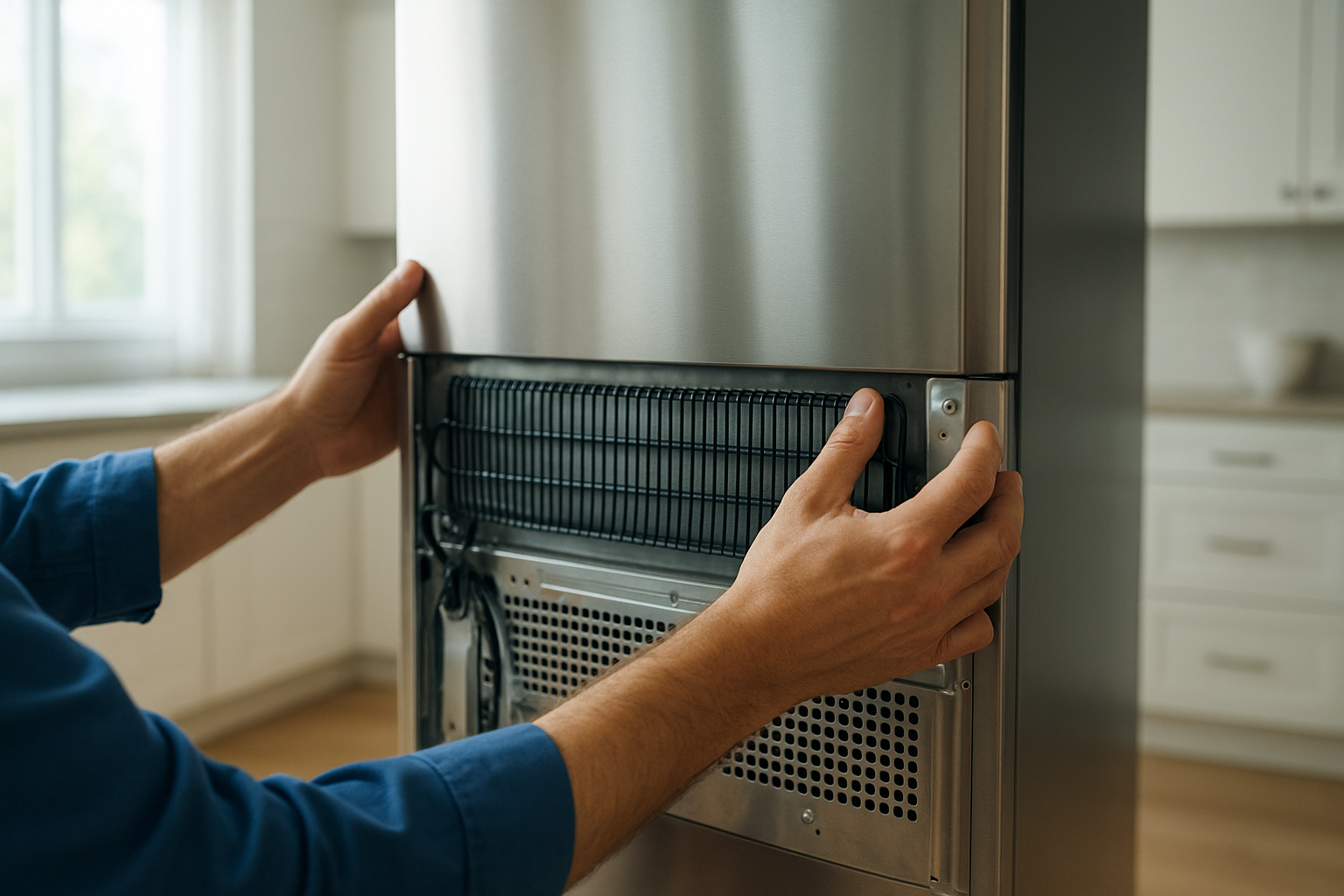
Careful refrigerator troubleshooting starts with the basics before moving to mechanical parts. For a deeper walkthrough, see our Appliance Troubleshooting Tips For Santa Rosa Homes.
What Is Refrigerator Troubleshooting?
Refrigerator troubleshooting is a systematic way of checking a malfunctioning fridge’s power source, temperature controls, seals, and mechanical parts to find the root cause of a problem. It typically follows a logical order, starting with the simplest and cheapest checks before moving to more technical inspection. Because a refrigerator runs continuously, even small issues can compound quickly, so catching them early matters.
For homeowners, this process helps answer one key question: is this something I can fix myself, or does it need a professional? Understanding the basics of appliance diagnostics through Gold Ridge Appliance also helps you describe the problem accurately when you do call for help, which often speeds up the repair.
Common Refrigerator Problems Homeowners Face
According to the U.S. Department of Energy, refrigerators run around the clock and represent a notable share of household electricity use, so a malfunctioning unit doesn’t just spoil food — it can also raise utility bills. Most refrigerator problems fall into three broad groups: cooling failures, unusual noises, and leaks. Let’s look at each one individually, since the troubleshooting steps differ depending on the symptom.
Refrigerator Not Cooling Properly
If the fridge feels warm but the light still turns on, the compressor (the pump that circulates refrigerant) or condenser coils are often to blame. Dust buildup on the coils, located either behind or beneath the unit, restricts airflow and forces the compressor to work harder. Similarly, a torn or loose door seal lets warm air seep in, which makes the thermostat think the unit is colder than it actually is.
In addition, check that the temperature dial hasn’t been accidentally bumped to a warmer setting. Overloading the fridge with too many items can also block vents and disrupt airflow, so it’s worth rearranging shelves before assuming a mechanical failure.
Strange Noises From the Fridge
A humming refrigerator is normal; a rattling, clicking, or buzzing one usually isn’t. Clicking noises often point to a start relay struggling to kick the compressor on, while rattling can mean a loose fan blade or a bottle rolling around inside the freezer.
Buzzing sounds, on the other hand, sometimes come from the water line if the fridge has an ice maker. As a result, it helps to note when the noise happens — during cooling cycles, defrost cycles, or constantly — since timing narrows down the cause considerably.
Water Leaking Onto the Kitchen Floor
Leaks are one of the most common reasons homeowners search for refrigerator troubleshooting advice. Frequently, a clogged defrost drain causes melted frost to overflow inside the unit and drip out onto the floor instead of draining properly into the pan below.
A cracked water line or a loose connection at the ice maker can also cause slow, steady leaks. Consequently, checking the drain pan, the defrost drain tube, and the water supply line covers most leak scenarios before assuming a bigger issue is at play.
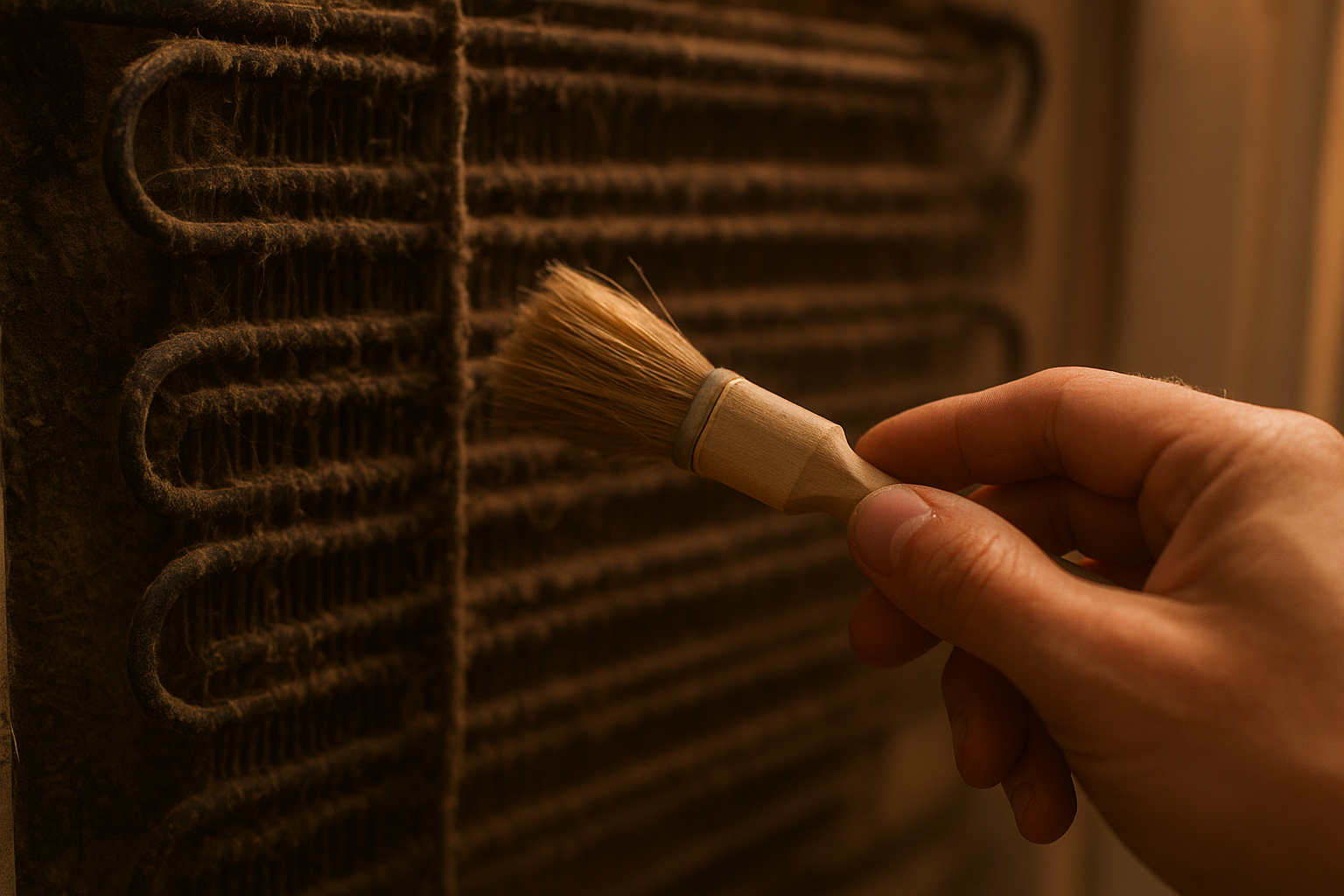
Cleaning condenser coils is one of the simplest refrigerator troubleshooting steps homeowners can do themselves.
Step-by-Step Fridge Troubleshooting Process
Following a consistent refrigerator troubleshooting order prevents wasted time and unnecessary parts replacement. Here’s a practical sequence technicians often recommend before scheduling a repair visit: See appliance repair Santa Rosa for booking and service area details.
- Check the power supply. Confirm the refrigerator is plugged in, the outlet has power, and the circuit breaker hasn’t tripped, since a simple electrical issue is often mistaken for a bigger mechanical failure.
- Verify the temperature settings. Make sure the thermostat is set between 37°F and 40°F for the fridge and 0°F for the freezer, because settings get bumped accidentally more often than people expect.
- Inspect the door seals. Run your hand around the gasket to feel for gaps, and clean any debris that might prevent the door from closing tightly against the cabinet.
- Clean the condenser coils. Vacuum dust and pet hair from the coils behind or underneath the unit, since buildup here is one of the leading causes of poor cooling performance. For low-cost methods see budget appliance repair tips.
- Listen for compressor and fan sounds. Note whether noises happen during specific cycles, which helps a technician pinpoint whether the compressor, fan blade, or start relay needs attention.
- Check for leaks and drainage issues. Look at the drain pan, defrost tube, and water line connections for cracks, clogs, or loose fittings that could be causing water on the floor.
If these checks don’t resolve the issue, particularly persistent cooling loss or repeated leaks, that’s usually a sign that internal components need professional attention rather than further DIY testing.
Fridge Diagnostics: When to Call a Professional
Some symptoms point clearly toward a professional repair rather than a home fix. For example, a failed compressor, a sealed refrigerant system leak, or an electronic control board malfunction all require specialized tools and training to repair safely. For a deeper walkthrough, see our Santa Rosa Home Repair Services: Appliance Fix Guide.
Above all, never attempt to handle refrigerant lines yourself, since federal regulations under the EPA govern their handling due to environmental and safety concerns. If your fridge continues running warm after completing the checklist above, or if you notice burning smells, sparking, or repeated tripped breakers, it’s time to schedule a visit with a trained technician.
Homeowners throughout Santa Rosa and Sonoma County can book a diagnostic appointment through Gold Ridge Appliance’s kitchen repair services, where technicians handle refrigerators alongside ovens, dishwashers, and other kitchen equipment. For a deeper walkthrough, see our Trusted Local Appliance Services in Santa Rosa, CA.
DIY Fixes vs. Professional Refrigerator Repair
Not every refrigerator issue needs a service call. Cleaning coils, replacing a door gasket, or clearing a clogged drain tube are all reasonable DIY refrigerator repair tasks for homeowners comfortable with basic tools.
However, tasks involving the compressor, refrigerant, or main control board are best left to professionals, since incorrect handling can void warranties or create safety hazards. Gold Ridge Appliance repairs a wide range of household appliances, and technicians provide transparent pricing, outlined in the company’s service terms, before any work begins.
It’s also worth noting that appliance troubleshooting extends beyond the kitchen. If a washer or dryer starts acting up around the same time, the laundry repair team applies a similarly structured diagnostic process.
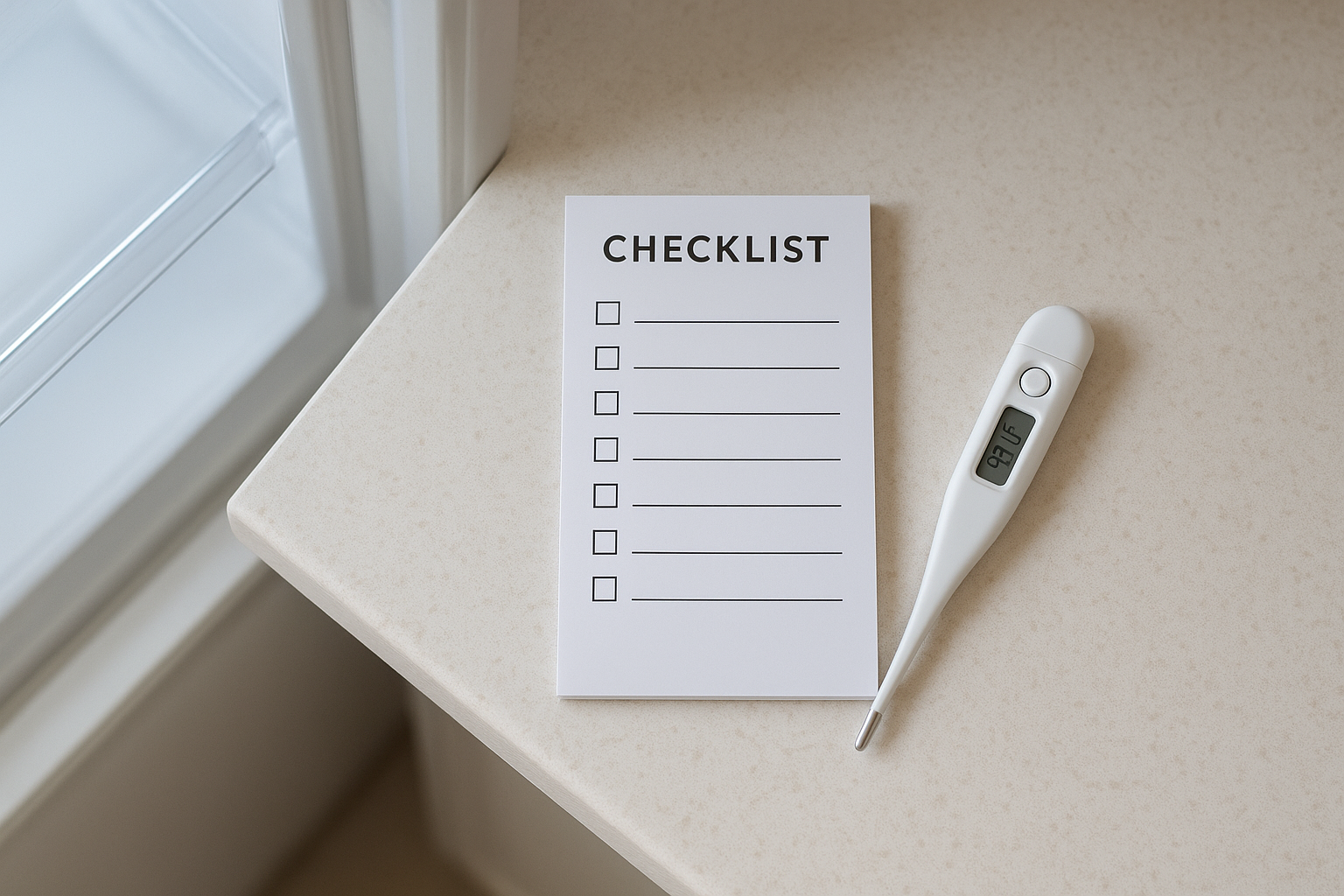
A simple checklist keeps refrigerator troubleshooting organized from start to finish.
Refrigerator Troubleshooting FAQs
What is refrigerator troubleshooting?
Refrigerator troubleshooting is the process of checking power, temperature, seals, coils, and drainage to find why a fridge isn’t working correctly. It helps homeowners decide whether a simple fix or professional repair is needed.
Why is my refrigerator running but not cooling?
This is usually caused by dirty condenser coils, a faulty door seal, or a thermostat set too warm. Cleaning the coils and checking the seal often resolves the issue without a repair visit.
How do I know if my refrigerator compressor is bad?
A bad compressor often causes loud clicking, erratic humming, or a fridge that runs constantly without cooling. A technician can confirm this with an amp draw test.
Why is my refrigerator leaking water?
Leaks are typically caused by a clogged defrost drain, a cracked water line, or an overflowing drain pan. Clearing the drain tube resolves most minor leaks.
How much does refrigerator repair typically cost?
Refrigerator repair costs vary by issue, but simple fixes like gaskets or thermostats usually cost less than compressor or sealed system repairs. Getting an upfront diagnostic quote helps avoid surprises.
Can I fix a refrigerator problem myself?
Yes, tasks like cleaning coils, replacing gaskets, or clearing drains are safe for most homeowners. However, refrigerant and electronic control repairs should be handled by a licensed technician.
How long should refrigerator troubleshooting take?
A basic troubleshooting checklist usually takes 15 to 30 minutes at home. If the issue isn’t resolved after that, scheduling a professional diagnostic is the next step.
What temperature should my refrigerator be set to?
The refrigerator compartment should stay between 37°F and 40°F, while the freezer should stay at 0°F. Settings outside this range can spoil food or strain the compressor.
Why does my refrigerator make clicking noises?
Clicking noises often come from the start relay attempting to engage the compressor. If clicking repeats without the compressor starting, the relay or compressor may need replacement.
What’s the biggest mistake people make when troubleshooting a fridge?
The most common mistake is assuming every issue requires a full part replacement without checking simpler causes first, like power supply or airflow blockages. Skipping the basic checklist often leads to unnecessary expense.
How often should I clean my refrigerator’s condenser coils?
Most manufacturers recommend cleaning condenser coils every six to twelve months, especially in homes with pets. Regular cleaning improves efficiency and reduces the risk of compressor strain. For a deeper walkthrough, see our Fast Appliance Maintenance Tips For Santa Rosa Homes.
When should I call a professional instead of troubleshooting further?
If the fridge still isn’t cooling after checking power, seals, and coils, or if you notice burning smells or electrical issues, it’s time to call a professional. Continuing DIY repairs at that point risks safety and further damage.
Final Thoughts on Refrigerator Troubleshooting
Refrigerator troubleshooting doesn’t have to be intimidating. By checking power, temperature settings, seals, coils, and drainage in order, most homeowners can quickly figure out whether a problem is minor or serious. In addition, knowing when to stop DIY efforts and call a professional protects both your appliance and your safety.
Whether it’s a simple gasket replacement or a full compressor failure, Gold Ridge Appliance offers honest, fast, and affordable repair service for Santa Rosa and Sonoma County homeowners. For more detailed guidance or to schedule a diagnostic visit, visit goldridgeappliance.com to book online in minutes. Author: Gold Ridge Appliance team. Last updated: 2026-07-20. For a deeper walkthrough, see our Refrigerator Repair Service Near Me in Sonoma County.
