
Dryer repair is often the fastest, most affordable way to get a broken clothes dryer working again without the expense of buying a brand-new unit. Whether your dryer won’t heat, won’t spin, or is making strange noises, most common problems come down to a handful of worn parts that a skilled technician can diagnose quickly. This guide walks through the warning signs, typical costs, troubleshooting steps, and tips for choosing a reliable repair service.
Quick Answer: Dryer repair typically costs between $100 and $350 and takes 30 minutes to two hours for a technician to complete. Most failures involve the heating element, thermal fuse, belt, or a clogged vent, and repairing rather than replacing is usually the cheaper option for dryers under ten years old.
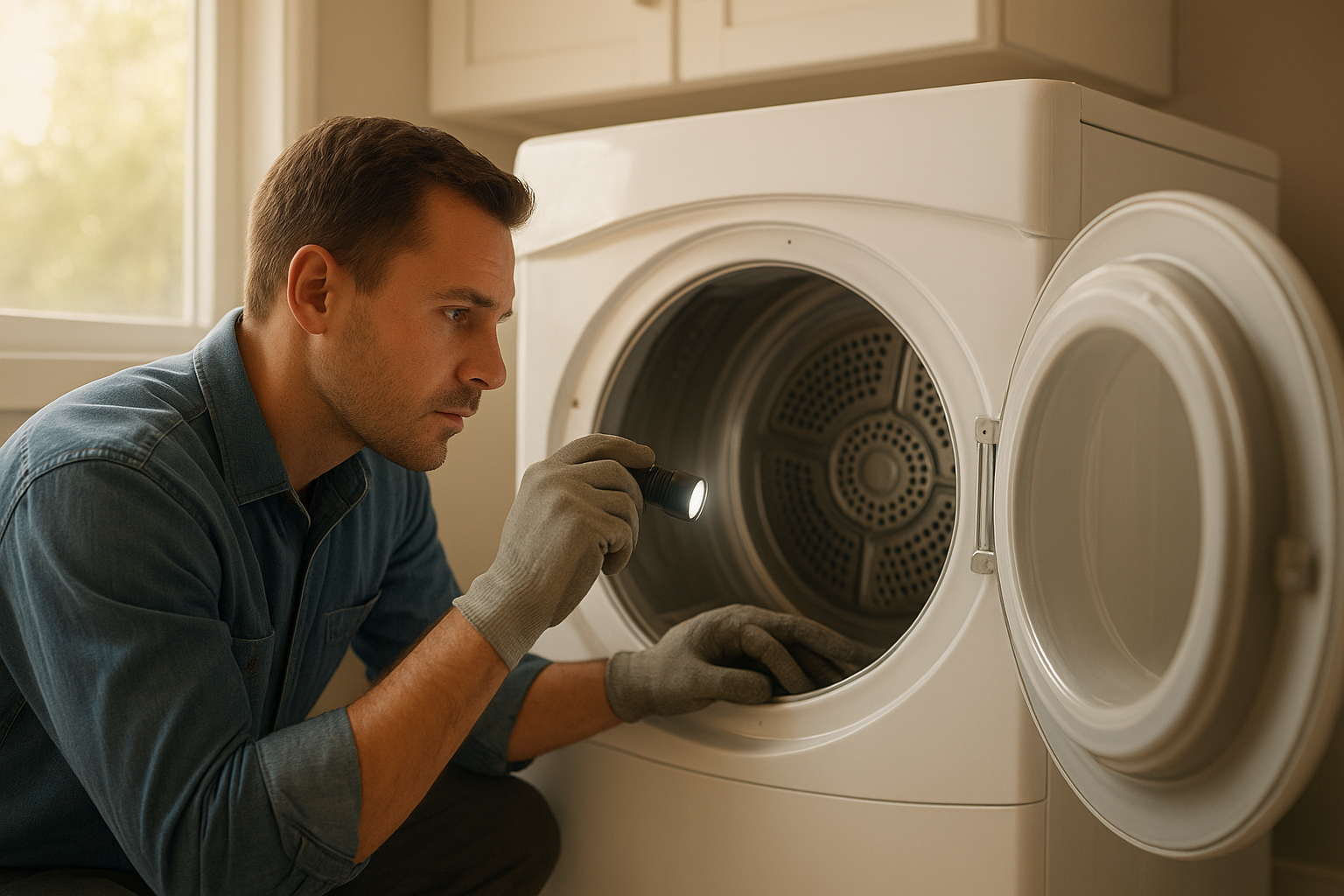
Diagnosing the source of a breakdown is the first step in any dryer repair job.
What Is Dryer Repair?
Dryer repair is the process of diagnosing and fixing the mechanical, electrical, or airflow problems that stop a clothes dryer from heating, tumbling, or shutting off correctly. In short, it means finding the failed part and either replacing or restoring it so the appliance runs safely again.
Technicians usually start with a visual inspection, then test individual components such as the thermal fuse (a small safety part that cuts power if the dryer overheats), the drive belt, and the control board. Because dryers combine electrical, mechanical, and sometimes gas systems, a proper repair often requires specialized tools and testing equipment rather than guesswork.
Common Signs Your Dryer Needs Repair
Several warning signs suggest it’s time to schedule dryer repair before a small issue turns into a bigger, costlier one. For instance, clothes that stay damp after a full cycle, unusually long dry times, or a burning smell are all strong indicators that something inside the unit isn’t working correctly.
In addition, loud banging, squealing, or grinding noises during operation often point to worn rollers, belts, or bearings. Similarly, a dryer that shuts off mid-cycle, trips the breaker, or won’t start at all typically signals an electrical fault that a technician should evaluate promptly. According to the Wikipedia overview of clothes dryers, most residential units share similar core components, which is why symptoms tend to fall into predictable categories.
Common Dryer Problems and Their Causes
Most dryer repair calls fall into a handful of categories. Understanding the likely cause can help homeowners describe the issue clearly when booking a service appointment.
- No heat: Often caused by a blown thermal fuse, failed heating element, or restricted vent airflow.
- Won’t start: Usually a door switch, thermal fuse, or start switch failure.
- Excessive noise: Typically worn drum rollers, a stretched belt, or a failing idler pulley.
- Drum won’t turn: Commonly a broken belt or motor issue.
- Overheating or fire risk: Almost always linked to lint-clogged vents restricting airflow.
Notably, the National Fire Protection Association reports that clothes dryers and washing machines are involved in thousands of home fires annually in the United States, with failure to clean lint traps and vents cited as a leading cause. This makes routine maintenance just as important as timely repair.
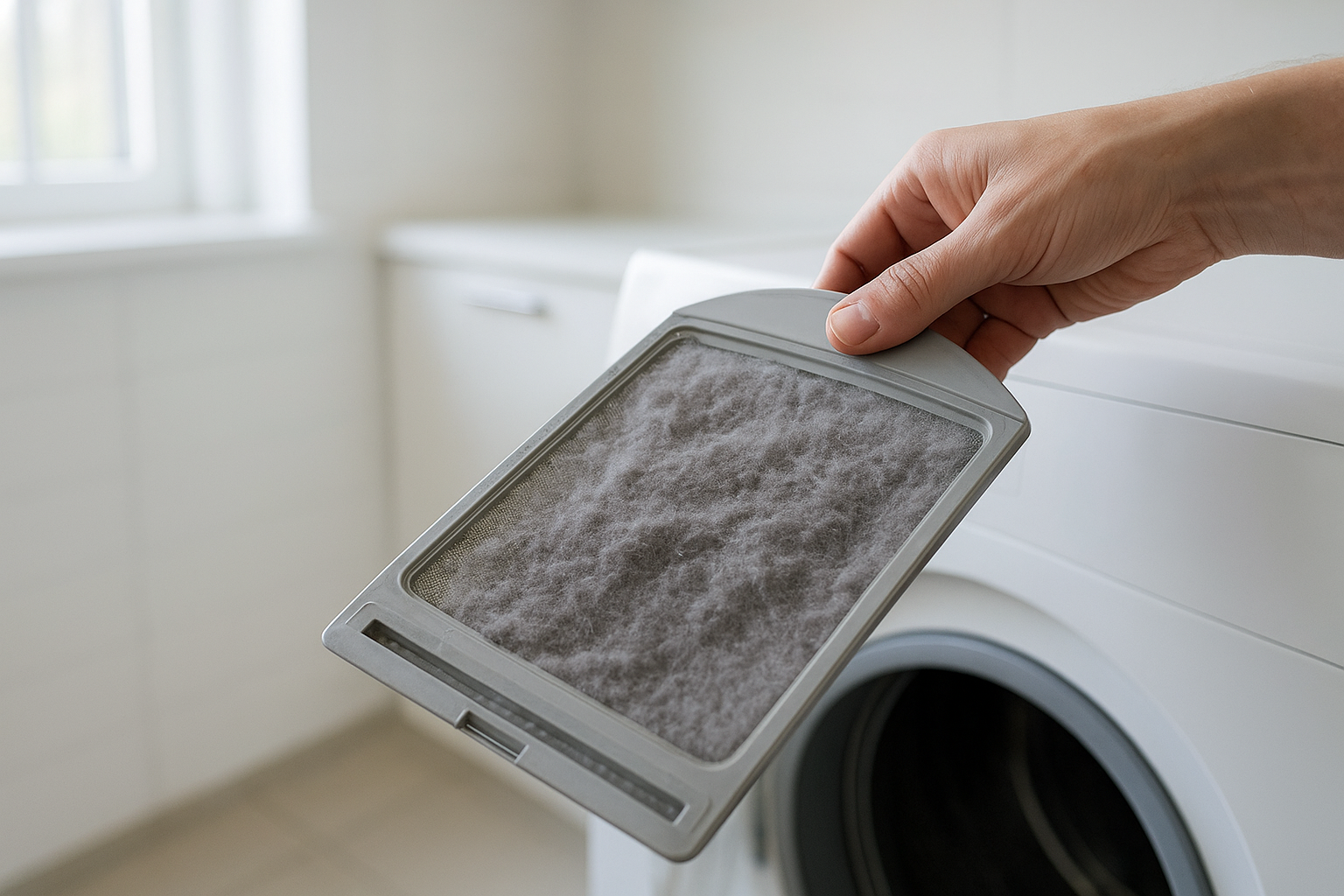
Clogged lint traps are one of the most preventable causes of dryer repair visits.
How Much Does Dryer Repair Cost?
Dryer repair costs generally range from $100 to $350, though the final price depends on the part needed and local labor rates. Simple fixes, such as replacing a thermal fuse or belt, tend to fall on the lower end, while control board or motor replacements cost more.
Because pricing varies by brand, model, and region, it’s worth reviewing a detailed dryer repair cost guide before booking a service call. As a result, homeowners can budget accurately and avoid surprises when the technician arrives.
Step-by-Step: How to Troubleshoot a Dryer Before Calling for Repair
Before scheduling a professional visit, a few quick checks can sometimes solve the problem or at least help the technician diagnose it faster.
- Check the power and settings by confirming the dryer is plugged in, the breaker hasn’t tripped, and the correct cycle was selected.
- Clean the lint trap and exterior vent hood thoroughly, since blocked airflow is one of the most common causes of poor performance.
- Inspect the door switch and latch by opening and closing the door to confirm it clicks and engages properly.
- Run a short empty cycle and listen closely for grinding, squealing, or thumping sounds that hint at worn parts.
- Test heat output using a damp cloth on a short cycle to see whether the dryer is producing adequate warmth.
If these steps don’t resolve the issue, it’s a clear sign that internal components need professional attention. You can find further troubleshooting tips and resources directly on goldridgeappliance.com.
DIY Fixes vs. Professional Dryer Repair Service
Some minor tasks, like clearing lint or replacing an accessible belt, are reasonable for confident do-it-yourselfers. However, anything involving the heating element, gas valve, or internal wiring carries real safety risk and is better left to a trained dryer repair service.
For guidance on appliance safety and maintenance, the U.S. Department of Energy’s appliance efficiency tips offer helpful context on how proper upkeep extends appliance lifespan. In contrast, attempting complex electrical repairs without training can void warranties or create fire hazards, particularly on gas units where the Consumer Product Safety Commission recommends professional servicing.
How to Choose a Reliable Dryer Repair Company
Choosing the right technician matters just as much as the repair itself. Above all, look for a company that offers transparent pricing, clear explanations of the diagnosed problem, and warranties on parts and labor.
For homeowners in the North Bay area, local dryer repair experts in Santa Rosa provide fast, honest diagnostics without unnecessary upsells. Similarly, those looking for budget-friendly options can review affordable dryer service across Sonoma County to compare pricing and availability before booking.
If your household also needs help with washers or other laundry equipment, exploring full laundry appliance repair services can save time by handling multiple appliances in a single visit. Many homeowners specifically search for an honest, affordable dryer repair provider, and checking reviews plus licensing is a reliable way to confirm quality before scheduling.
Preventing Future Dryer Breakdowns
Regular maintenance significantly reduces how often dryer repair becomes necessary. Specifically, cleaning the lint trap after every load and clearing the exterior vent at least once a year keeps airflow steady and prevents overheating.
Furthermore, avoiding overloaded cycles and checking hoses periodically for kinks or damage helps the motor and belt last longer. Consequently, a small amount of routine care each month can delay the need for costly part replacements down the road.
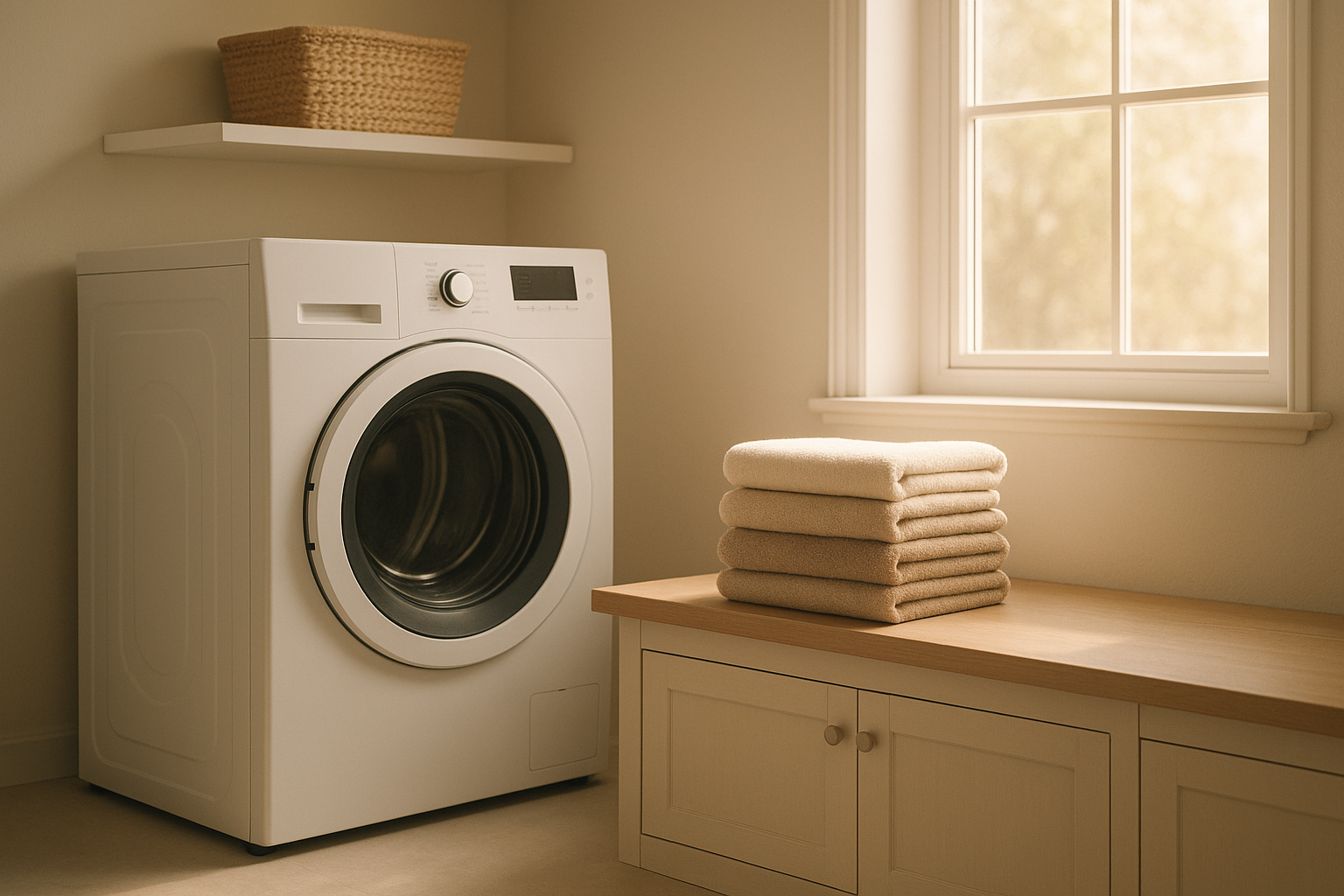
Routine maintenance is one of the simplest ways to avoid frequent dryer repair calls.
Frequently Asked Questions About Dryer Repair
What is dryer repair?
Dryer repair is the process of diagnosing and fixing mechanical or electrical problems that prevent a clothes dryer from heating, tumbling, or shutting off properly. It typically involves inspecting parts like the heating element, thermal fuse, belt, and vents.
How much does dryer repair cost on average?
Most dryer repairs cost between $100 and $350, depending on the part and labor involved. Simple fixes like belt or fuse replacement cost less, while motor or control board repairs run higher.
How long does a typical dryer repair take?
A standard dryer repair usually takes 30 minutes to two hours once the technician arrives. Repairs requiring special-order parts may take a few extra days.
Why is my dryer not heating up?
A dryer that won’t heat often has a blown thermal fuse, a failed heating element, or a clogged vent restricting airflow. Electric dryers may also have a tripped breaker feeding the heating circuit.
Why does my dryer make loud banging or squealing noises?
Loud banging usually means a loose or unbalanced load, worn drum rollers, or a foreign object stuck inside. Squealing often points to a worn belt or idler pulley that needs lubrication or replacement.
Should I repair my dryer or replace it?
If the dryer is under ten years old and the repair costs less than half the price of a new unit, repair is usually the smarter choice. Older units with multiple failing parts may be better replaced.
What are common mistakes people make with dryer repair?
Common mistakes include ignoring lint buildup, using the wrong replacement parts, and skipping the power disconnect step before opening the cabinet. These errors can cause further damage or safety hazards.
Can I do dryer repair myself?
Simple tasks like clearing lint traps or replacing a belt can often be done safely by a confident DIYer. However, electrical or gas-related repairs are safer left to a licensed dryer repair technician.
How often should dryer vents be cleaned to avoid repairs?
Dryer vents should be cleaned at least once a year, and lint traps should be cleared after every load. Regular cleaning reduces fire risk and prevents strain that leads to costly repairs.
Is gas dryer repair different from electric dryer repair?
Gas dryers require additional checks on the igniter, gas valve, and flame sensor, which electric models don’t have. Electric dryers instead rely on heating coils and typically need a dedicated 240-volt circuit.
How do I know if a dryer repair was done correctly?
A properly repaired dryer should heat evenly, run quietly, and complete a full cycle without tripping breakers or leaving lingering odors. Ask the technician for a brief test run before they leave.
Is dryer repair covered under a manufacturer warranty?
Many manufacturer warranties cover parts and labor for one to two years after purchase, though this varies by brand and model. Extended warranties or home warranty plans may also cover later repairs.
Final Thoughts on Dryer Repair
In summary, dryer repair is usually a quicker and more affordable path than replacement, especially when the problem involves common parts like a thermal fuse, belt, or clogged vent. Recognizing early warning signs, understanding typical costs, and trying basic troubleshooting steps can help homeowners avoid unnecessary downtime.
Ultimately, when a problem goes beyond a simple fix, calling an experienced technician ensures the repair is safe, lasting, and priced fairly. Whether you’re dealing with a no-heat issue or a noisy drum, timely dryer repair keeps your laundry routine running smoothly and your household appliance in good working order for years to come.
