
Dryer maintenance is the single most effective habit for preventing house fires, lowering energy bills, and stretching the life of your machine well past the ten-year mark. Yet most homeowners in Santa Rosa and across Sonoma County still skip the basic steps that keep a dryer safe and efficient. This guide from Gold Ridge Appliance walks through every task, schedule, and warning sign tied to proper dryer maintenance, so nothing is left to guesswork.
Quick Answer: Good dryer maintenance means cleaning the lint trap before every load, clearing the vent duct at least once a year, checking the exterior exhaust hood for blockages, vacuuming around and underneath the unit, and having a technician inspect the appliance annually. This routine lowers fire risk, reduces energy costs, and extends the dryer’s working life by years.
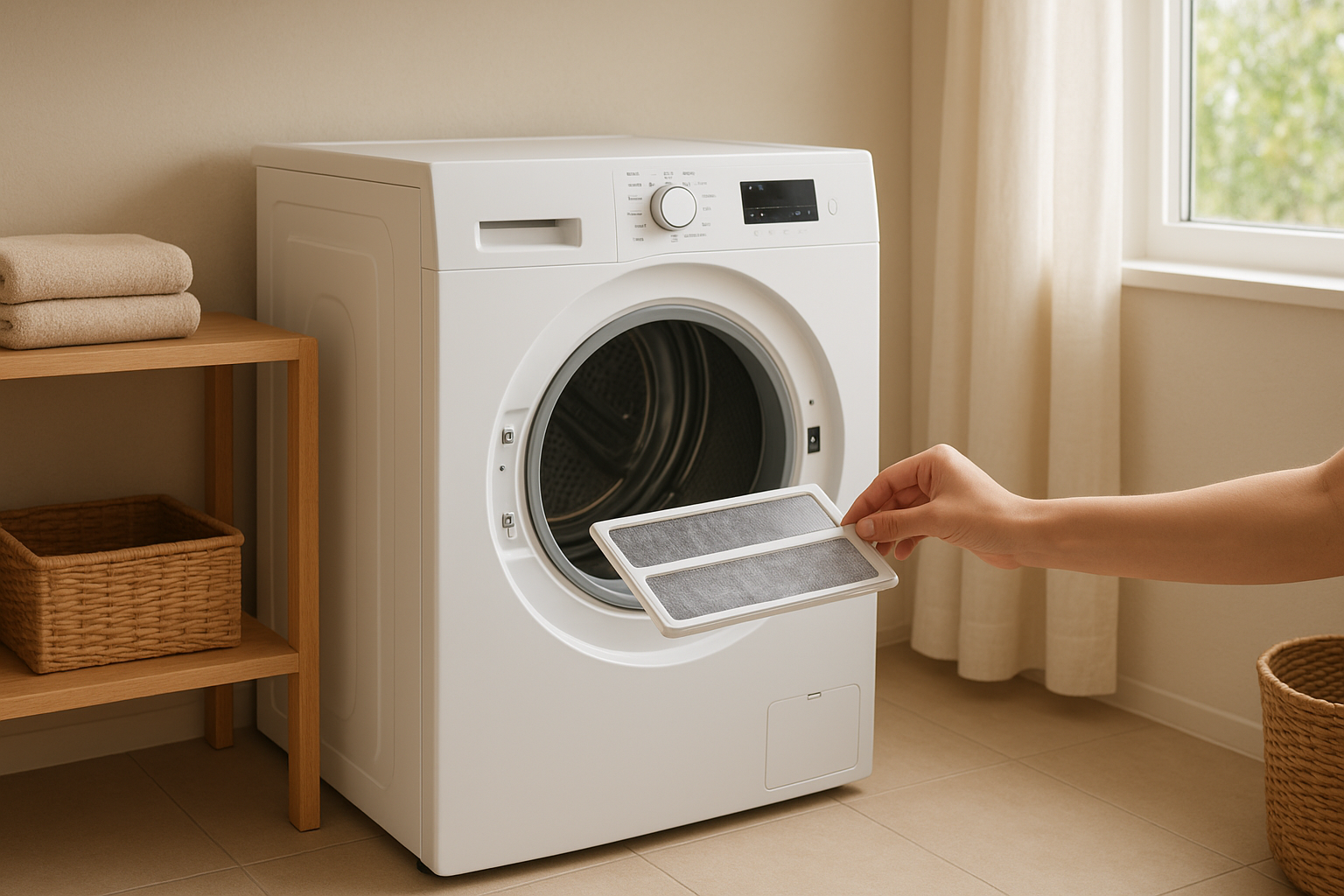
Cleaning the lint trap before every load is the single easiest step in any dryer maintenance routine.
What Is Dryer Maintenance and Why Does It Matter?
Dryer maintenance refers to the ongoing combination of daily habits and seasonal checkups that keep a clothes dryer running safely and efficiently. Specifically, that means wiping the lint screen after every cycle, vacuuming the duct twice a year, and confirming the exterior vent flap opens without resistance. In addition, homeowners should listen for unusual sounds and track drying times, since a load that suddenly takes much longer almost always signals restricted airflow rather than a failing heating element.
Consequently, a consistent dryer maintenance routine does more than prevent fires. It also keeps energy bills predictable and protects the money already invested in the appliance. For a deeper look at warning signs maintenance alone cannot fix, this dryer repair guide explains exactly when it’s time to call a professional instead of reaching for a vacuum hose.
Why Dryer Maintenance Matters More Than Most People Realize
Lint is highly flammable, and it accumulates quietly inside places homeowners rarely inspect. According to the U.S. Fire Administration, clothes dryers and washing machines are involved in an estimated 2,900 home structure fires every year, and failure to clean the appliance is the leading contributing factor. As a result, routine upkeep is not simply a convenience — it is a genuine safety measure that belongs on every household’s checklist.
Furthermore, the National Fire Protection Association reports that failure to clean the appliance properly is the top cause of these fires, with lint listed as the first material ignited in most incidents. Similarly, the U.S. Consumer Product Safety Commission warns that blocked vents raise both fire risk and carbon monoxide exposure in homes with gas dryers. Therefore, a few minutes of upkeep each week offers meaningful protection for the entire household, not just the laundry room.
Beyond safety, neglected dryer maintenance quietly drains household budgets. A restricted vent forces the heating element to work harder and run longer, and ENERGY STAR notes that this extra runtime directly increases electricity or gas consumption. In other words, the cost of skipping maintenance shows up twice: first in the risk column, then again on the utility bill.
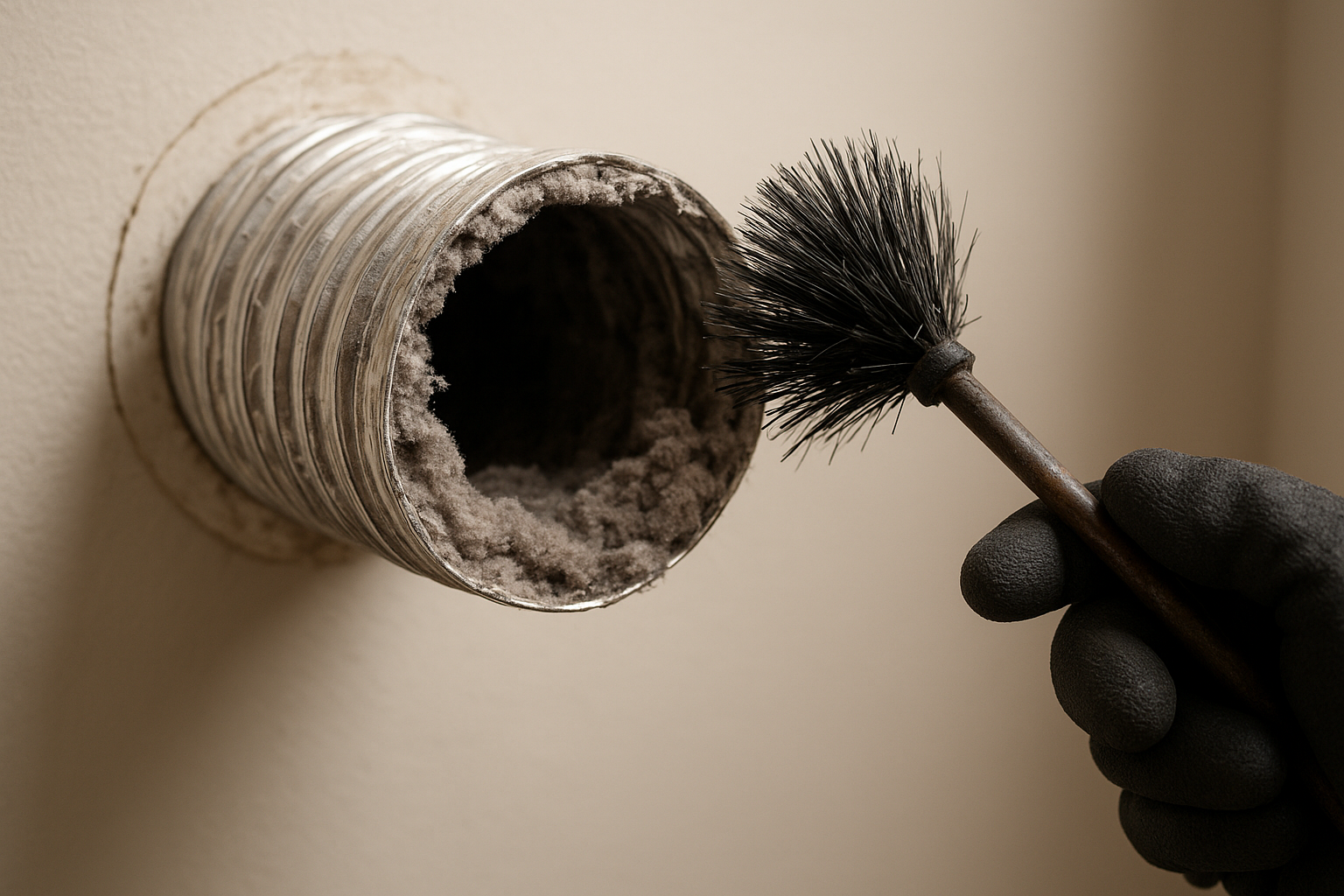
Lint buildup inside the vent duct is a top cause of restricted airflow and preventable dryer fires.
The Complete Dryer Maintenance Checklist: 5 Essential Steps
Use this step-by-step routine to keep the dryer operating safely and efficiently all year. Each step builds on the last, so completing them in order produces the most reliable results.
- Clean the lint trap every load. Remove the screen before or after each cycle, peel away the lint by hand, and rinse the mesh occasionally with warm water to clear the invisible residue left by dryer sheets.
- Inspect the vent duct twice a year. Disconnect the tubing from the back of the dryer and use a vent brush or vacuum hose to pull trapped lint out along its full length, not just the first foot or two.
- Check the exterior vent hood. Walk outside and confirm the flap opens freely while the dryer runs, clearing away bird nests, spider webs, or compacted lint blocking the opening.
- Vacuum behind and underneath the unit. Pull the dryer away from the wall twice a year to remove dust around the wall connection and beneath the drum where lint silently collects.
- Schedule an annual professional inspection. A licensed technician can check the heating element, gas line or power cord, belt, and drum seals before small issues become costly repairs.
In particular, step five catches problems a homeowner might miss entirely. For reference, the full cost breakdown of common repairs is outlined in this dryer repair price guide, which pairs naturally with the maintenance schedule below.
Dryer Maintenance Schedule: Weekly, Monthly, and Yearly Tasks
Not every task belongs on the same calendar. The table below breaks the full dryer maintenance schedule into manageable intervals, so the routine never feels overwhelming.
| Frequency | Task | Why It Matters |
|---|---|---|
| Every load | Clean the lint trap | Removes the single biggest fire fuel source instantly |
| Monthly | Wipe the drum and check the door seal | Prevents residue transfer onto clothing and catches early seal wear |
| Every 6 months | Vacuum behind and under the dryer; check the exterior vent hood | Clears dust buildup and confirms the exhaust flap still moves freely |
| Annually | Full vent duct cleaning and professional inspection | Removes deep lint and catches mechanical issues before they fail |
Signs Your Dryer Needs Professional Attention
Even with a disciplined dryer care routine, certain symptoms call for expert evaluation rather than another round of cleaning. For instance, clothes that remain damp after a full cycle, a burning smell, or a drum that feels unusually hot often point to a mechanical or electrical fault that upkeep alone cannot fix.
Similarly, loud banging, squealing, or rattling noises typically indicate a worn belt, bearing, or drum roller. Above all, never ignore a persistent burning odor, since this can signal a lint ignition risk near the heating element. Homeowners in the area can reach out to local dryer repair experts in Santa Rosa for a same-day diagnosis when these symptoms appear, or compare options through this dryer repair resource near you in Santa Rosa.
Gas vs. Electric Dryer Maintenance: Key Differences
Gas and electric dryers share the same lint and vent care requirements, but gas models carry one extra responsibility. Specifically, gas dryers need periodic inspection of the gas line connection and burner assembly for leaks, loose fittings, or soot buildup, which is not a task for casual home maintenance.
Electric dryers, in contrast, need occasional checks of the power cord and heating element for fraying, loose connections, or scorch marks. Either way, pairing homeowner habits with a trusted technician creates the most reliable safety net for both fuel types.
Seasonal Dryer Maintenance Tips for Sonoma County Homes
Santa Rosa’s dry summers and wetter winters both affect appliance performance. During fire season, for example, extra vigilance around lint buildup is especially important given regional fire risk. In contrast, winter months bring higher laundry volume from bulky clothing, which means lint traps fill faster and need more frequent attention.
Additionally, homes with longer duct runs between the laundry room and an exterior wall should have vents professionally cleaned more often than the standard annual schedule. Those looking for budget-friendly seasonal service can review this affordable dryer service option in Sonoma County for ongoing maintenance support throughout the year.
Common Dryer Maintenance Mistakes That Undermine Safety
Many homeowners unintentionally sabotage their own maintenance efforts. Using flexible foil or plastic venting instead of rigid metal duct is a frequent mistake, since these materials sag, trap lint, and pose a greater fire hazard than smooth metal alternatives.
Likewise, overloading the dryer forces it to run longer cycles, which generates more lint and strains the motor. Meanwhile, ignoring a gradually increasing drying time is another oversight; this is usually the earliest warning sign of a restricted vent, not a failing appliance. For general cost-saving guidance beyond dryers, this resource on affordable appliance repair tips covers additional household strategies worth adopting.

Checking the exterior vent hood ensures the flap opens freely and airflow is not restricted.
Tools You Need for Basic Dryer Maintenance at Home
A short shopping list covers almost every DIY task. A vacuum with a hose attachment, a flexible vent brush kit, a screwdriver, and a soft cloth handle the bulk of routine care.
- Vacuum with a narrow hose attachment for reaching deep into the duct opening
- Vent brush kit with flexible rods for clearing long duct runs
- Screwdriver for removing the back panel or duct clamps
- Soft cloth and mild soap for wiping the drum and door seal
- Flashlight for inspecting the exterior vent hood and wall connection
DIY vs. Professional Dryer Maintenance: What You Can (and Can’t) Do Yourself
DIY care handles most routine needs, but certain tasks genuinely require licensed expertise. The comparison below makes the split clear at a glance.
| Task | DIY-Friendly? | Recommended Frequency |
|---|---|---|
| Lint trap cleaning | Yes | Every load |
| Exterior vent hood check | Yes | Every 6 months |
| Full vent duct cleaning | Partially | Annually |
| Gas line and burner inspection | No | Annually |
| Heating element and belt inspection | No | Annually |
Gold Ridge Appliance, serving Santa Rosa and the surrounding Sonoma County area, provides fast, honest inspections that pair naturally with the routine covered above. Visit Gold Ridge Appliance to schedule an appointment or learn more about available repair services.
The Real Cost of Skipping Dryer Maintenance
Professional dryer vent cleaning typically costs between $100 and $200 depending on duct length and accessibility. That figure looks small compared to the alternative: a house fire, a ruined load of clothing, or a premature dryer replacement that costs ten times as much. In other words, consistent dryer maintenance is one of the cheapest insurance policies a household can buy.
When neglect does lead to a breakdown, repair costs vary by component. For a complete breakdown of what different repairs typically cost, see this dryer repair price guide before deciding between repair and replacement.
Frequently Asked Questions About Dryer Maintenance
What are the best practices for dryer maintenance?
The best practices for dryer maintenance include cleaning the lint trap before every load, inspecting and clearing the vent duct twice a year, checking the exhaust hood outside, and scheduling a professional inspection annually. Together, these habits reduce fire risk and keep your dryer running efficiently.
How often should I clean my dryer vent?
Most households should clean the dryer vent at least once a year, though homes with pets, long duct runs, or heavy laundry use may need cleaning every six months. A clogged vent restricts airflow and forces the dryer to work harder.
Why is regular dryer maintenance important?
Regular dryer maintenance matters because lint buildup is a leading cause of home dryer fires and also reduces energy efficiency. Routine care extends the appliance’s lifespan and lowers utility costs over time.
What is the difference between cleaning the lint trap and cleaning the vent?
The lint trap is the small screen inside the dryer door or top panel that catches visible lint after each cycle. The vent, however, is the full duct system running from the dryer to the exterior wall, which traps finer lint over months and requires deeper cleaning.
How much does professional dryer vent cleaning cost?
Professional dryer vent cleaning typically costs between $100 and $200 depending on duct length and accessibility. Homeowners can compare this to the cost of a house fire or premature appliance replacement, which makes it a sound investment.
How long does a dryer maintenance check take?
A basic DIY maintenance check takes about 15 to 20 minutes, while a thorough professional vent cleaning and inspection usually takes 30 to 60 minutes. Scheduling it during routine chores makes it easy to stay consistent.
What are common dryer maintenance mistakes homeowners make?
Common mistakes include using foil or plastic venting instead of rigid metal duct, ignoring longer drying times, and forgetting to clean behind and underneath the dryer. These oversights allow lint to accumulate unnoticed and raise fire risk.
Can I perform dryer maintenance myself, or should I hire a professional?
Simple tasks like lint trap cleaning and wiping the drum can be done safely at home. However, full vent duct cleaning, gas line inspections, and electrical checks are best left to a licensed technician for safety reasons.
Does gas dryer maintenance differ from electric dryer maintenance?
Gas dryers require the same lint and vent care as electric models, plus periodic inspection of the gas line connection and burner assembly for leaks or soot buildup. Electric dryers instead need occasional checks of the power cord and heating element.
What signs indicate my dryer needs repair instead of routine maintenance?
Signs that point to repair rather than routine upkeep include unusually long drying times, a burning smell, loud banging noises, or a drum that feels hot to the touch. If cleaning does not resolve these issues, a professional diagnosis is recommended.
How does dryer maintenance affect energy bills?
A clogged vent can reduce dryer efficiency significantly, forcing the unit to run longer cycles and use more electricity or gas. Keeping vents and lint traps clear helps lower monthly utility costs.
What tools do I need for basic dryer maintenance at home?
A vacuum with a hose attachment, a vent brush kit, a screwdriver, and a soft cloth cover most basic maintenance tasks. These inexpensive tools let homeowners clean lint traps, duct openings, and exterior vent covers safely.
Is dryer maintenance something a home warranty typically covers?
Most home warranties cover mechanical breakdowns but exclude routine dryer maintenance, since cleaning and inspections are considered homeowner responsibilities. Skipping maintenance can also void certain manufacturer warranties if neglect is found to have caused the failure.
Final Thoughts on Dryer Maintenance
In summary, consistent dryer maintenance protects both your household’s safety and your appliance budget. Cleaning the lint trap regularly, clearing the vent duct, checking the exterior hood, and bringing in a professional once a year together form a routine that is simple to maintain yet highly effective. Ultimately, a little attention now prevents far costlier repairs, longer drying times, and genuine fire hazards later. For homeowners in Santa Rosa and Sonoma County who need a trusted hand with inspections or repairs, Gold Ridge Appliance offers fast, honest service built around transparency and fair pricing.

