
Oven repair is often the difference between a kitchen that works and one that leaves dinner half-cooked. Whether your oven refuses to heat, cooks unevenly, or flashes a confusing error code, understanding how repair works helps you make faster, cheaper decisions. This guide walks through the common causes, realistic costs, and the point where DIY troubleshooting should hand off to a licensed technician.
Quick answer: Oven repair typically involves diagnosing a failed component — most often the igniter, heating element, thermostat, or control board — and replacing that single part. Most repairs cost between $100 and $400 and take under two hours to complete.
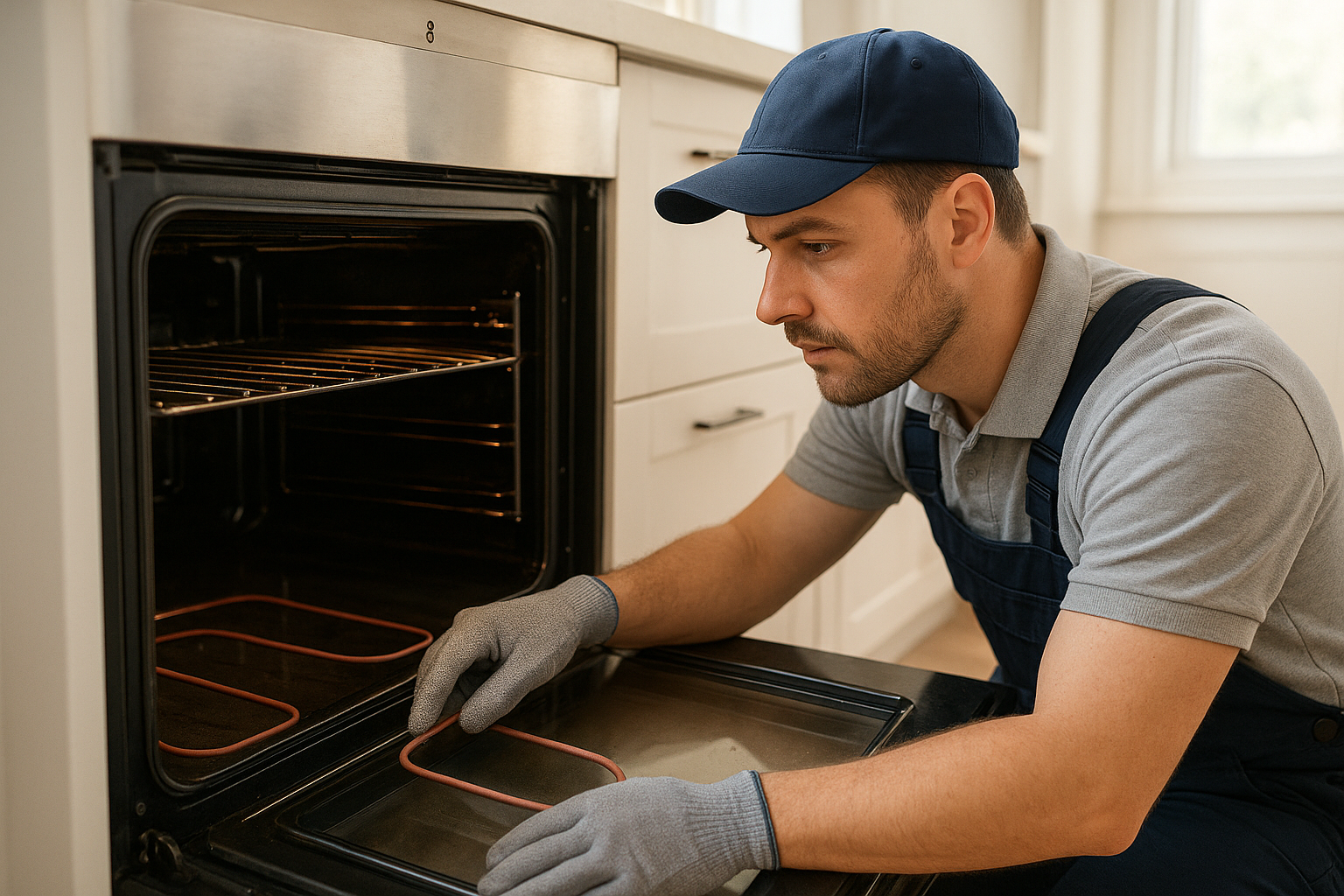
A close inspection of the heating element is often the first step in diagnosing oven repair needs.
What Is Oven Repair?
Oven repair is the process of identifying why an oven has stopped heating, baking evenly, or operating safely, then fixing or replacing the failed part. In particular, this usually means testing electrical components such as the igniter, bake element, broil element, or thermostat with a multimeter before ordering a matching replacement part.
Unlike simple appliance cleaning, oven repair often requires disconnecting power or gas lines. As a result, most manufacturers and safety organizations recommend hiring a licensed technician rather than attempting internal repairs without training. For a broader look at appliance safety standards, the Wikipedia entry on ovens offers useful background on how different oven types function.
Common Oven Problems That Signal You Need Oven Repair
Several warning signs consistently point to the need for professional attention. For example, an oven that takes far longer than usual to preheat often has a weakened heating element. Similarly, temperature swings during baking usually trace back to a failing thermostat or sensor.
Gas Oven Problems
Gas ovens frequently develop igniter failures, which prevent the burner from lighting at all. In addition, a clicking sound without ignition, a gas smell, or a pilot light that won’t stay lit are signals that require immediate professional attention rather than DIY fixes, given the safety risks involved.
Electric Oven Problems
Electric ovens more commonly suffer from burned-out heating elements, tripped circuit breakers, or failing control boards. Consequently, if the oven powers on but never heats, the bake or broil element is usually the first component a technician will test.
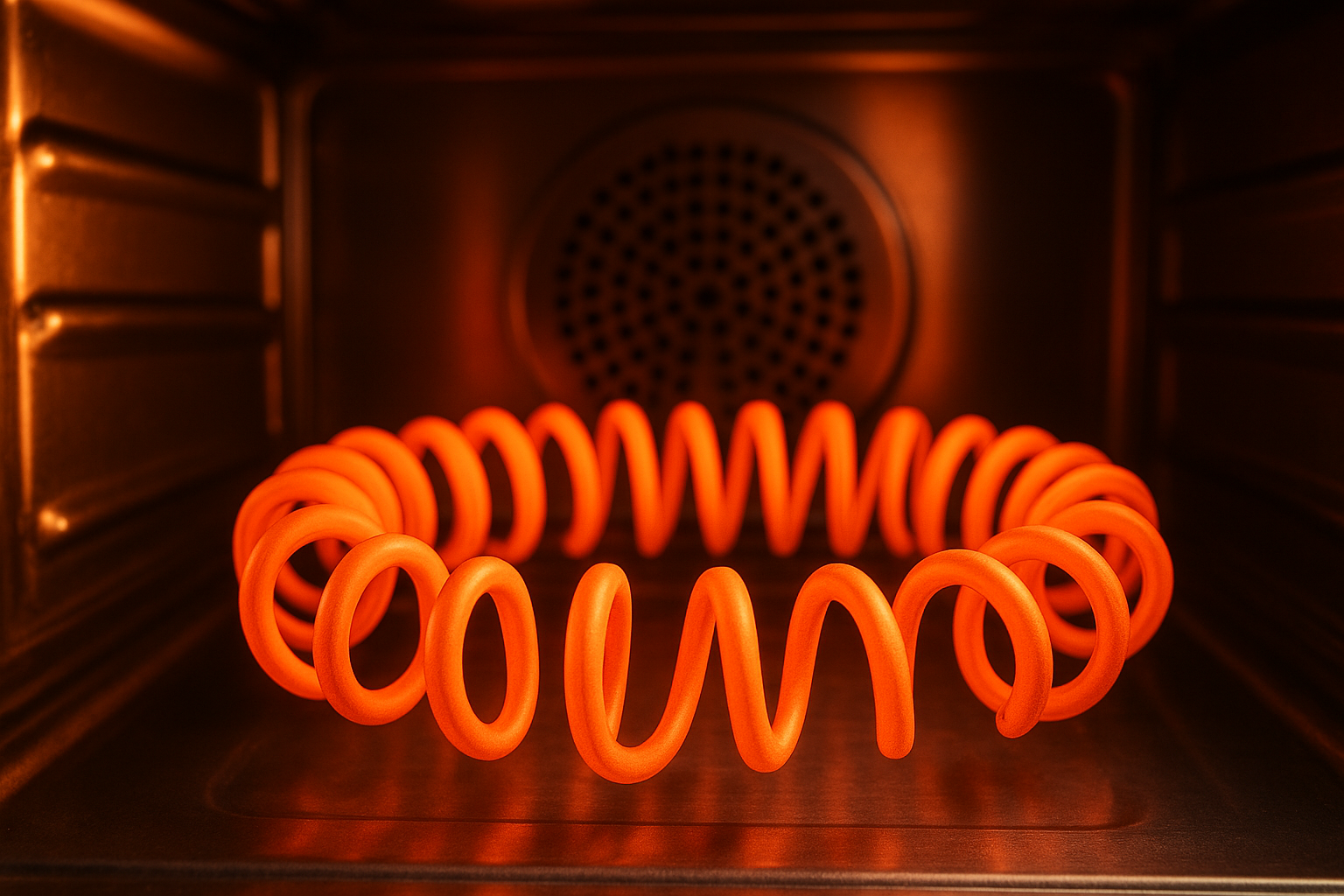
A properly functioning heating element should glow evenly without hot or cold spots.
How Much Does Oven Repair Cost?
Oven repair costs generally range from $100 to $400, depending on the part and labor involved. Igniter and thermostat replacements sit toward the lower end, while control board repairs and complex wiring issues push costs higher. According to the National Association of Home Builders’ life expectancy study, ovens typically last 13 to 15 years with regular maintenance, which is a useful benchmark when deciding whether repair still makes financial sense.
Above all, getting an accurate quote requires an in-person diagnostic, since two ovens with similar symptoms can have entirely different root causes. Homeowners in Sonoma County can review typical service scopes on the oven repair and maintenance services page for a clearer picture of what’s included in a standard visit.
DIY Troubleshooting vs Calling a Professional
Before scheduling a technician, a few safe checks can save time and money. Specifically, confirm the circuit breaker hasn’t tripped, check that the oven door seals fully, and verify the clock or control panel isn’t stuck in a delay mode. These steps take only a few minutes but rule out the simplest causes.
However, once gas components, wiring, or internal electrical parts are involved, professional help becomes necessary. For a complete walkthrough of safe pre-call checks, see this guide on troubleshooting steps before calling appliance repair. In addition, the U.S. Department of Energy’s home appliance resources outline basic maintenance that reduces the frequency of repairs over time.
What Happens During a Professional Oven Repair Visit?
Understanding the repair process in advance helps set realistic expectations for cost and timing. Below is the typical sequence a technician follows during a standard oven repair appointment.
- The technician inspects the oven’s heating elements, igniter, thermostat, and control board while asking about symptoms to narrow down the likely cause of the malfunction.
- Using a multimeter and manufacturer specifications, the technician tests voltage, resistance, and gas connections to confirm which exact part has failed before ordering replacements.
- The technician removes the faulty component, installs a manufacturer-approved replacement part, and reconnects wiring or gas lines according to safety codes and manufacturer guidelines.
- After the repair, the oven runs through a full heating cycle so the technician can confirm accurate temperature calibration and check that the fix resolved the original issue.
Notably, cooking equipment remains a leading cause of home structure fires according to the National Fire Protection Association, which is one reason professional gas and electrical work matters more than a quick DIY fix.
A completed oven repair should restore even heating and reliable performance.
How to Choose a Reliable Oven Repair Service in Santa Rosa
Choosing the right technician matters as much as the repair itself. Look for clear, upfront pricing, technicians who explain the diagnosis before starting work, and a company willing to stand behind the parts they install. Goldridge Appliance, serving Santa Rosa and greater Sonoma County, focuses on fast, honest repair services across ovens, refrigerators, washers, dryers, and dishwashers, with technicians who explain problems clearly before any work begins.
Furthermore, dedicated technicians who specialize in specific appliance categories tend to diagnose problems more accurately than general handymen. This overview of why dedicated appliance repair jobs matter explains the difference in outcomes. For situations that can’t wait, it also helps to know who offers reliable emergency appliance repair in Sonoma County. You can also browse the full range of repair services offered before booking a visit, or start directly at goldridgeappliance.com to request an appointment.
Frequently Asked Questions About Oven Repair
What is oven repair?
Oven repair is the process of diagnosing and fixing mechanical, electrical, or gas-related problems that prevent an oven from heating, baking, or operating safely. It typically involves a technician testing components like igniters, heating elements, thermostats, and control boards to find and replace the faulty part.
How do I know if my oven needs repair?
Common warning signs include uneven cooking, an oven that won’t heat at all, strange smells or smoke, error codes on the display, or a door that won’t seal properly. If any of these persist after a reset, it’s time to call a technician.
How much does oven repair typically cost?
Most oven repair costs fall between $100 and $400, depending on the part needed and labor time. Simple fixes like igniter or thermostat replacement cost less, while control board repairs run higher.
How long does an oven repair appointment take?
A standard oven repair visit usually takes 45 minutes to two hours, depending on the diagnosis and whether the part is on hand. Complex electrical issues or backordered parts can extend the timeline.
Can I repair my oven myself?
Basic troubleshooting, such as checking the circuit breaker or cleaning door seals, is safe for most homeowners. However, gas line work and internal electrical repairs should always be left to a licensed technician.
What are the most common oven problems?
The most frequent issues include a faulty igniter or heating element, a broken thermostat, a malfunctioning control board, and door seals that no longer close tightly. Each affects temperature accuracy and cooking performance differently.
Is it better to repair or replace an old oven?
As a general rule, if the repair cost is less than half the price of a new unit and the oven is under 12 years old, repair is usually the smarter choice. Once an oven passes 15 years, replacement often makes more financial sense.
What’s the difference between gas oven repair and electric oven repair?
Gas oven repair often involves igniters, gas valves, and safety checks for leaks, requiring specialized certification. Electric oven repair typically focuses on heating elements, thermostats, and wiring connections.
What common mistakes do people make with oven repair?
A frequent mistake is ignoring small warning signs, like slow preheating, until the oven fails completely. Another is attempting gas-related repairs without proper training, which creates serious safety risks.
How can I prevent future oven repairs?
Regular cleaning, checking door seals annually, and avoiding self-clean cycle overuse all extend an oven’s life. Scheduling a maintenance inspection every year or two also catches small issues early.
Is oven repair covered by warranty?
Many ovens include a manufacturer warranty covering parts and labor for one to two years. After that period expires, homeowners are responsible for repair costs unless they purchased an extended service plan.
How long does a repaired oven typically last afterward?
A properly repaired oven can run reliably for several more years, often matching the appliance’s original expected lifespan of 13 to 15 years. Consistent maintenance after the repair helps extend that further.
Final Thoughts on Oven Repair
In summary, oven repair usually comes down to identifying one failed component and replacing it correctly the first time. Simple checks like resetting a breaker or checking the door seal are worth trying first, but gas lines and internal electrical parts call for a licensed technician. For Santa Rosa homeowners, working with an appliance repair company that explains the diagnosis clearly and prices fairly makes the whole process far less stressful, and getting ahead of small warning signs now often prevents a bigger repair bill later.
