
Quick appliance diagnostics can mean the difference between a same-day fix and days without a working refrigerator, washer, or oven. For homeowners across Santa Rosa and Sonoma County, a fast, accurate diagnosis often determines whether a broken appliance costs a modest repair bill or turns into an expensive replacement. Below, this guide explains what quick appliance diagnostics actually involves, why speed matters, and how to recognize when it’s time to call a professional technician.
Quick answer: Quick appliance diagnostics is the process of rapidly identifying the root cause of an appliance malfunction using visual inspection, testing tools, and technician experience, typically completed within a single visit.
What Is Quick Appliance Diagnostics?
As mentioned above, quick appliance diagnostics is a fast, structured process for finding out exactly why an appliance stopped working. Rather than guessing or replacing parts one by one, a trained technician uses tools such as multimeters (a device that measures electrical voltage and resistance) and manufacturer diagnostic modes to pinpoint the failure. This approach saves time, reduces unnecessary part replacement, and gives homeowners a clear answer before any repair work begins.
In practice, this means a technician can often walk into a Santa Rosa home, inspect a malfunctioning dishwasher or dryer, and identify the exact faulty component within the same visit. As a result, homeowners avoid the frustration of multiple appointments and prolonged downtime.
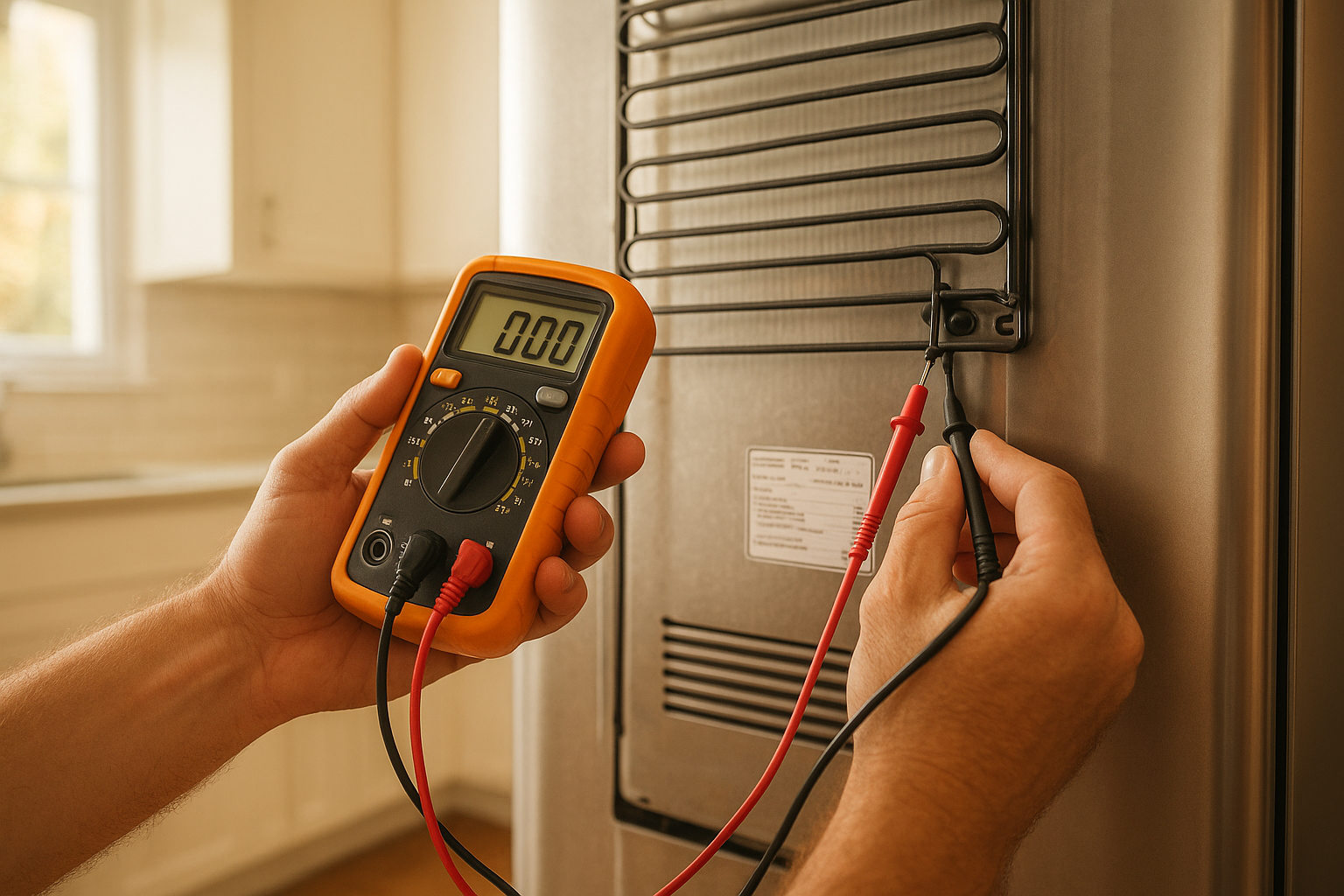
Quick appliance diagnostics often starts with testing electrical components before deeper repairs begin.
Why Fast Appliance Diagnosis Matters for Santa Rosa Homeowners
Fast appliance diagnosis matters because appliance failures rarely wait for a convenient time. A refrigerator that stops cooling overnight can spoil hundreds of dollars in food within hours. Similarly, a leaking washer left unaddressed for even a day can cause water damage to flooring and cabinetry.
Beyond convenience, speed also affects cost. According to a widely cited National Association of Home Builders study, refrigerators typically last around 13 years, washers about 10 years, and dryers roughly 13 years when properly maintained. However, small issues caught early, such as a failing door seal or a clogged vent, are far cheaper to fix than problems that are allowed to worsen. For that reason, homeowners who schedule diagnostics at the first sign of trouble typically spend less overall.
In addition, the U.S. Department of Energy notes that malfunctioning appliances often consume more electricity than well-functioning ones, since compressors, motors, and heating elements work harder to compensate for a failing part. Consequently, a quick diagnosis doesn’t just save on repair costs; it can also lower a household’s monthly energy bill.
Signs You Need Rapid Appliance Troubleshooting
Certain warning signs indicate that rapid appliance troubleshooting is needed right away. Recognizing these early can prevent a minor issue from becoming a major repair.
- Unusual noises such as grinding, buzzing, or clicking during operation
- Error codes displayed on digital control panels
- Water pooling near washers, dishwashers, or refrigerators
- Inconsistent temperatures in ovens, refrigerators, or freezers
- An appliance that won’t power on at all
- A noticeable spike in the household’s energy bill
Specifically, if more than one of these signs appears at once, it’s a strong signal to book a diagnostic visit rather than waiting to see if the problem resolves itself.
How Quick Appliance Diagnostics Works: A Step-by-Step Process
Understanding the process helps set realistic expectations for a diagnostic visit. Here is how most technicians approach quick appliance diagnostics from start to finish:
- Schedule a diagnostic appointment. Contact a licensed technician and describe the appliance’s symptoms in detail, including unusual noises, error codes, or performance changes, so the technician arrives prepared with the right tools and parts.
- Perform a visual and safety inspection. The technician disconnects power or water lines as needed, then visually inspects wiring, hoses, and components for obvious damage, corrosion, or leaks before running further tests.
- Run diagnostic tests. Using multimeters, pressure gauges, or built-in diagnostic modes, the technician measures electrical resistance, temperature, and cycle performance to isolate the exact failing component.
- Explain findings and provide a quote. Before any repair begins, the technician explains what is wrong in plain language and provides a transparent, upfront price so homeowners can decide how to proceed.
- Complete the repair or recommend replacement. If the appliance is repairable and cost-effective, the technician completes the fix on the spot; otherwise, they explain why replacement may save money in the long run.
Common Appliance Problems Diagnosed Quickly
Certain appliances lend themselves particularly well to fast diagnosis because their common failure points are well documented. For example, refrigerators often suffer from failing compressors, faulty thermostats, or blocked defrost drains. Washers, meanwhile, frequently develop worn door seals, unbalanced drums, or clogged drain pumps.
Similarly, dryers commonly fail due to clogged vents or worn heating elements, while ovens tend to develop faulty igniters or malfunctioning temperature sensors. Dishwashers, on the other hand, often experience drainage issues or worn spray arm seals. Because these failure patterns are so consistent, an experienced technician can usually narrow down the likely cause within minutes of inspection, according to general industry service data referenced by the home appliance overview on Wikipedia.
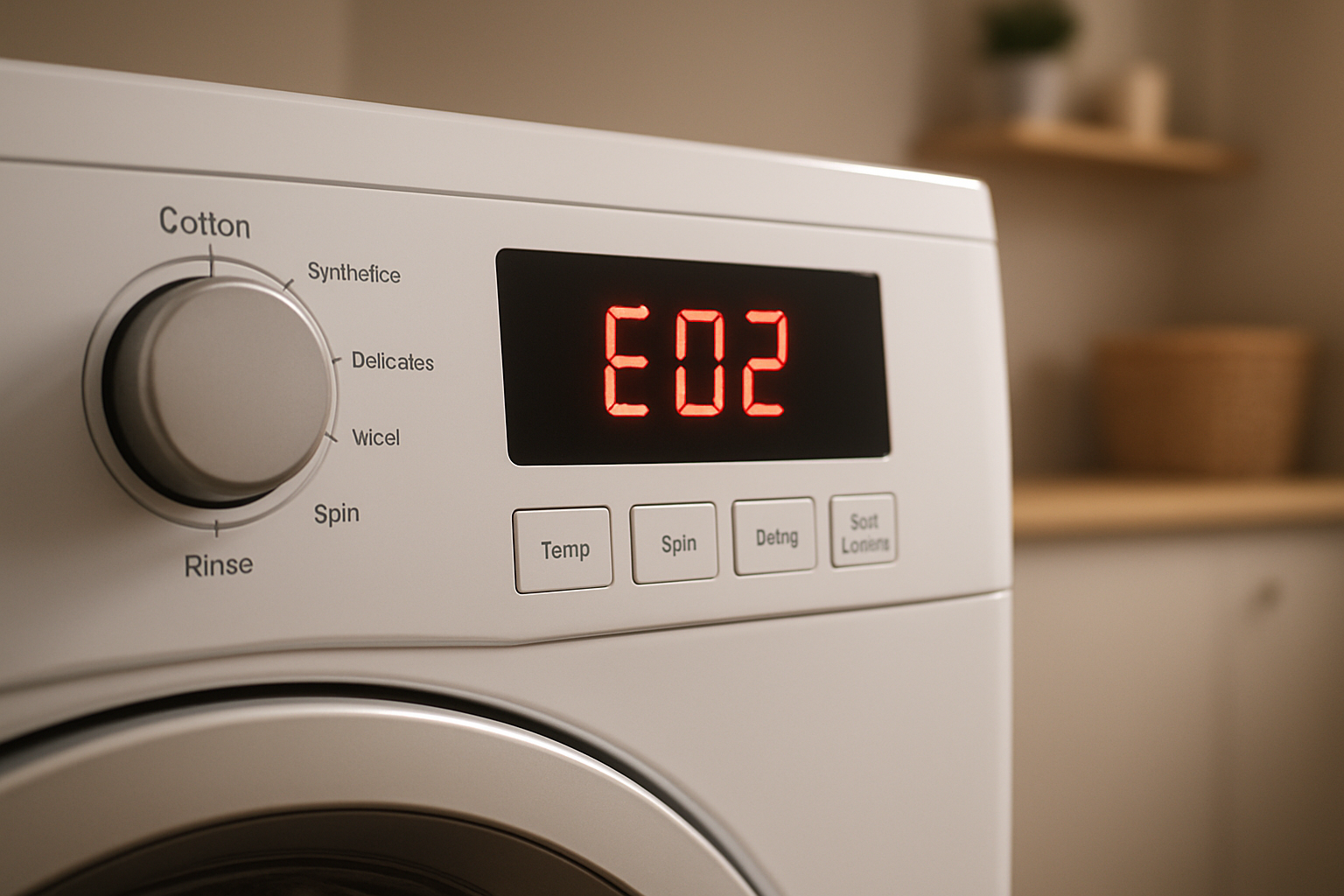
Error codes like this one often guide technicians straight to the failing component.
Choosing a Local Expert for Speedy Appliance Assessment
Not every repair company offers the same level of speedy appliance assessment. Therefore, it helps to look for a few specific qualities before booking a technician. First, confirm that the company offers same-day or next-day scheduling, since availability directly affects how quickly the problem gets solved. Second, ask whether the diagnostic fee applies toward the repair cost if you move forward.
For residents throughout Sonoma County and Santa Rosa, choosing a local company also means faster response times and technicians familiar with common regional issues, such as hard water effects on washers and dishwashers. Homeowners can review local repair technicians in Santa Rosa and Sonoma County or learn more about experienced appliance technicians in Santa Rosa before scheduling a visit. Booking online, as offered through Goldridge Appliance Repair, also removes the hassle of lengthy phone calls or wait times.
DIY Checks vs Professional Diagnostics
Before calling a technician, homeowners can safely perform a few basic checks. For instance, confirming that an appliance is plugged in, checking the breaker panel, and inspecting door seals for visible gaps are all reasonable first steps. However, testing internal electrical components requires specialized tools and training.
Attempting to open a sealed refrigeration system or test high-voltage components without proper knowledge can be dangerous. The U.S. Consumer Product Safety Commission advises unplugging any appliance before inspecting it and avoiding repairs that involve refrigerant lines or gas connections without professional certification. In short, basic checks are fine for homeowners, but anything beyond that should be left to a trained technician.
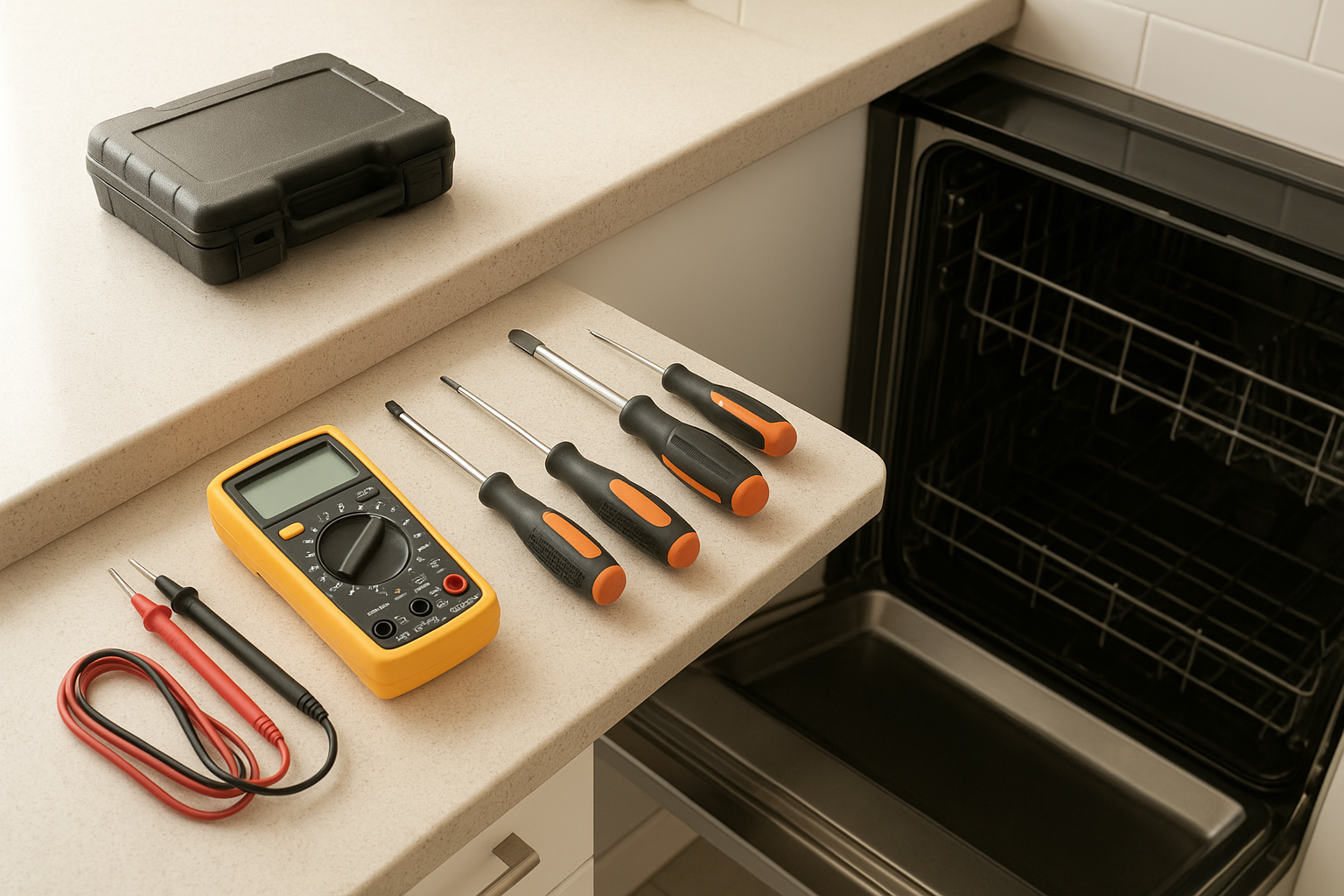
Professional-grade tools help technicians complete diagnostics accurately and safely.
Frequently Asked Questions About Quick Appliance Diagnostics
What is quick appliance diagnostics?
Quick appliance diagnostics is the process of rapidly identifying why an appliance is malfunctioning through visual inspection, testing tools, and technician experience, usually within a single visit.
How long does a quick appliance diagnostic visit take?
Most diagnostic visits take between 30 and 60 minutes, depending on the appliance and complexity of the issue. Simple electrical or sensor problems are often identified within the first 15 minutes.
How much does appliance diagnostics cost in Santa Rosa?
Diagnostic fees in Sonoma County typically range from $75 to $150, though many local companies apply that fee toward the repair cost if you proceed with the fix.
Can I do appliance diagnostics myself?
Basic checks like power supply, breaker status, and door seals can be done safely by homeowners. However, testing internal electrical components requires professional tools and training to avoid injury or further damage.
Why is fast appliance diagnosis important?
Fast appliance diagnosis limits food spoilage, water damage, and safety hazards while often reducing total repair costs. Catching a small issue early frequently prevents it from turning into a costly replacement.
What tools do technicians use for rapid appliance troubleshooting?
Technicians commonly use multimeters, pressure gauges, thermometers, and manufacturer-specific diagnostic modes to isolate faulty components quickly and accurately.
What are common signs an appliance needs diagnostic service?
Unusual noises, error codes, leaks, inconsistent temperatures, and appliances that won’t start are the most common signs that a diagnostic visit is needed.
Is it better to repair or replace an appliance after diagnosis?
As a general rule, repair makes sense if the cost is under half the price of a new appliance and the unit is less than eight years old. A qualified technician can confirm this after diagnostics.
Do appliance diagnostics require an appointment?
Most local repair companies, including those serving Santa Rosa, offer online booking so homeowners can schedule a diagnostic visit within a day or two rather than waiting weeks.
What mistakes should homeowners avoid before a diagnostic visit?
Avoid unplugging error codes or resetting the appliance before the technician arrives, since this can erase helpful diagnostic information. It also helps to avoid attempting repairs without proper safety knowledge.
Can quick appliance diagnostics prevent future breakdowns?
Yes, early diagnostics often catch worn parts, such as belts or seals, before they fail completely, which can prevent a larger breakdown and extend the appliance’s lifespan.
Which appliances benefit most from fast diagnostic service?
Refrigerators and freezers benefit the most due to food spoilage risk, followed closely by washers, dryers, and ovens, which disrupt daily household routines when they stop working.
How do technicians explain diagnostic findings to customers?
Reputable technicians explain the problem in plain language, show the affected part when possible, and provide an upfront price quote before starting any repair work.
Final Thoughts on Quick Appliance Diagnostics
In summary, quick appliance diagnostics gives homeowners a clear, affordable path from a broken appliance to a working one. Rather than guessing at the problem or delaying a call for service, recognizing the warning signs early and scheduling a diagnostic visit promptly can save both money and time. For those throughout Santa Rosa and Sonoma County, working with a local, transparent repair team ensures that every diagnosis comes with an honest explanation and a fair price before any work begins. Ultimately, choosing fast, professional diagnostics is one of the simplest ways to protect a household’s appliances and budget alike.
